

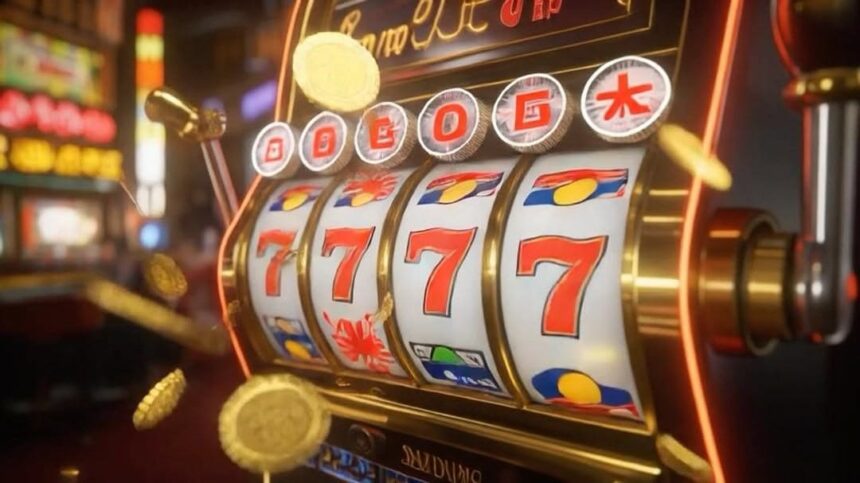
Walk into almost any casino, and you’ll hear players talking about “hot” and “cold” slot machines. Some believe a machine that has recently paid out is “hot” and likely to continue winning, while others think a machine that hasn’t paid in a long time is “due” for a jackpot. These ideas have been part of casino culture for decades, but are they based on fact?
Understanding how modern slot machines work can help players separate myths from reality. This article explores the truth behind hot and cold slot machines, how slot outcomes are determined, and what players should know before placing their bets.
What Are Hot and Cold Slot Machines?
A hot slot machine is commonly believed to be a machine that has been paying out frequently or awarding larger prizes over a short period.
A cold slot machine is thought to be one that has gone a long time without paying significant winnings, leading some players to believe it is “saving up” for a future jackpot.
While these terms are popular among casino players, they describe perceptions rather than proven characteristics of modern slot machines.
How Modern Slot Machines Work
Today’s slot machines are powered by sophisticated computer software known as a Random Number Generator (RNG). The RNG continuously generates random number sequences every second, even when nobody is playing the machine.
The moment a player presses the spin button, the software selects one of these random numbers, which determines the outcome of that spin. Because every spin is generated independently, previous results do not influence future ones.
This means each spin has the same probability of producing a winning or losing combination based on the game’s programmed rules.
The Myth of “Due” Jackpots
One of the most common gambling myths is that a slot machine that has not paid out recently is more likely to produce a jackpot soon.
In reality, modern slot machines do not remember previous spins. They have no memory of wins, losses, or how long it has been since a jackpot occurred. Every spin is an independent event, and the machine does not become “due” for a payout simply because it has gone through a losing streak.
Similarly, a machine that has just awarded a large prize is not necessarily less likely to pay again immediately.
Why People Believe in Hot and Cold Machines
Several psychological factors contribute to the popularity of the hot-and-cold machine belief.
People naturally look for patterns, even in completely random events. When players observe a machine producing multiple wins close together, they may assume the machine is “hot.” Conversely, long losing streaks can create the impression that a machine is “cold.”
Another factor is selective memory. Players often remember unusual winning streaks while forgetting the countless ordinary sessions where no noticeable pattern occurred.
These cognitive biases make random events appear meaningful, even when they are not.
Understanding Return to Player (RTP)
Every slot game is designed with a statistic called Return to Player (RTP). RTP represents the theoretical percentage of wagered money that a game is expected to return to players over a very large number of spins.
For example, a slot with a 96% RTP is theoretically expected to return about $96 for every $100 wagered over millions of spins. This does not mean an individual player will receive exactly that amount during a single session.
Short-term results can vary widely because randomness plays a significant role.
Volatility and Winning Frequency
Another important concept is slot volatility, also known as variance.
Low-volatility slots generally provide smaller but more frequent wins, making gameplay feel more consistent.
High-volatility slots tend to produce fewer wins, but those wins may be significantly larger. Players may experience long losing streaks before landing a substantial payout.
Volatility influences the playing experience but does not make a machine hot or cold.
Progressive Jackpots
Progressive jackpot slots operate differently from standard slot games because a portion of every wager contributes to a shared jackpot pool.
Although the jackpot grows over time, the winning combination is still determined randomly according to the game’s rules. The jackpot does not become easier to win simply because it has reached a large amount.
Some progressive jackpots are triggered randomly, while others require specific symbol combinations.
Can Casinos Control Individual Spins?
Licensed casinos cannot manually decide whether an individual spin wins or loses on properly regulated slot machines.
Gaming authorities require certified slot software to meet strict fairness standards. Independent testing laboratories regularly evaluate Random Number Generators to ensure that outcomes remain random and comply with regulatory requirements.
This oversight helps maintain game integrity in regulated gambling markets.
Tips for Responsible Slot Play
While no strategy can guarantee consistent winnings, players can make smarter decisions by following a few practical guidelines:
- Set a budget before playing and stick to it.
- Understand the game’s RTP and volatility before wagering.
- Treat gambling as entertainment rather than a way to make money.
- Take regular breaks during longer gaming sessions.
- Stop playing if gambling is no longer enjoyable or begins affecting your finances.
Responsible gambling helps ensure that slot games remain a form of entertainment rather than a financial risk.
Common Myths About Slot Machines
Many myths continue to circulate among casino players. Some believe casinos remotely change payout rates throughout the day, while others think using a player’s club card reduces winning chances.
In regulated casinos, there is no evidence that using a loyalty card changes the outcome of spins. Likewise, properly licensed slot machines do not alter individual results based on how long someone has been playing.
Understanding how random number generators work helps dispel these misconceptions.
Conclusion
The idea of hot and cold slot machines remains one of the most widespread beliefs in casino gambling, but modern slot technology tells a different story. Because regulated slot machines use Random Number Generators, every spin is independent and random. Previous outcomes do not affect future results, and no machine becomes “due” for a jackpot after a losing streak.
Players who understand concepts such as RTP, volatility, and randomness are better equipped to make informed decisions and enjoy slot games responsibly. While luck always plays a role, recognizing the myths behind hot and cold machines can lead to a more realistic and enjoyable gaming experience.
Frequently Asked Questions (FAQs)
1. What is a hot slot machine?
A hot slot machine is a term players use to describe a machine that appears to be paying out frequently. There is no evidence that modern regulated slot machines have a “hot” mode.
2. What is a cold slot machine?
A cold slot machine is believed to be one that has not paid significant winnings for a while. In reality, each spin is random and independent.
3. Are slot machines due to pay out after many losses?
No. Regulated slot machines do not remember previous spins, so they do not become more likely to pay out after a losing streak.
4. What is a Random Number Generator (RNG)?
An RNG is software that continuously generates random outcomes, ensuring each slot spin is independent of previous results.
5. Does Return to Player (RTP) guarantee my winnings?
No. RTP is a long-term theoretical average calculated over millions of spins and does not predict results during an individual playing session.
6. Can casinos control when a slot machine pays?
In regulated jurisdictions, licensed casinos cannot manually control individual spin outcomes on certified slot machines. The games are subject to regulatory oversight and independent testing.
7. Is there a guaranteed strategy to win on slot machines?
No. Because slot outcomes are random, there is no guaranteed strategy to consistently win. Setting a budget, understanding the game’s features, and gambling responsibly are the best ways to approach slot play.