

Understanding Safe Gambling
Safe gambling refers to the practice of engaging in wagering activities in a manner that minimizes risk and promotes responsible behavior. It encompasses a variety of principles designed to ensure that gambling remains an enjoyable source of entertainment rather than a harmful activity. At its core, safe gambling is about making informed decisions, setting clear limits, and understanding the odds involved in gaming activities.
Responsible gambling is not only about adherence to personal choices; it also involves recognizing the ethical and legal frameworks that govern gambling operations. Many jurisdictions have established regulations meant to protect individuals from the potential pitfalls of gambling addiction and financial loss. Key components of these regulations include age restrictions, transparency in odds and payouts, and the obligation of gaming operators to offer resources for players seeking help.
The significance of embracing safe gambling principles cannot be overstated. With the increasing availability of online and in-person gambling options, individuals often find themselves embarking on a gaming experience that can easily spiral out of control. Consequently, understanding the inherent risks associated with gambling is crucial for safeguarding one’s financial and emotional wellbeing. By practicing safe gambling, individuals can partake responsibly, thus minimizing the likelihood of developing problematic gambling behaviors.
Moreover, safe gambling emphasizes the importance of knowing when to stop. This involves setting financial limits before participating in any gaming activity and recognizing the signs of distress or compulsive behavior. Engaging in discussions about gambling habits and seeking support from peers or professionals can also play a vital role in maintaining a balanced approach. As part of a broader commitment to responsible gaming, these practices can empower individuals to enjoy recreational gambling while directly addressing its potential risks.
Recognizing the Signs of Problem Gambling
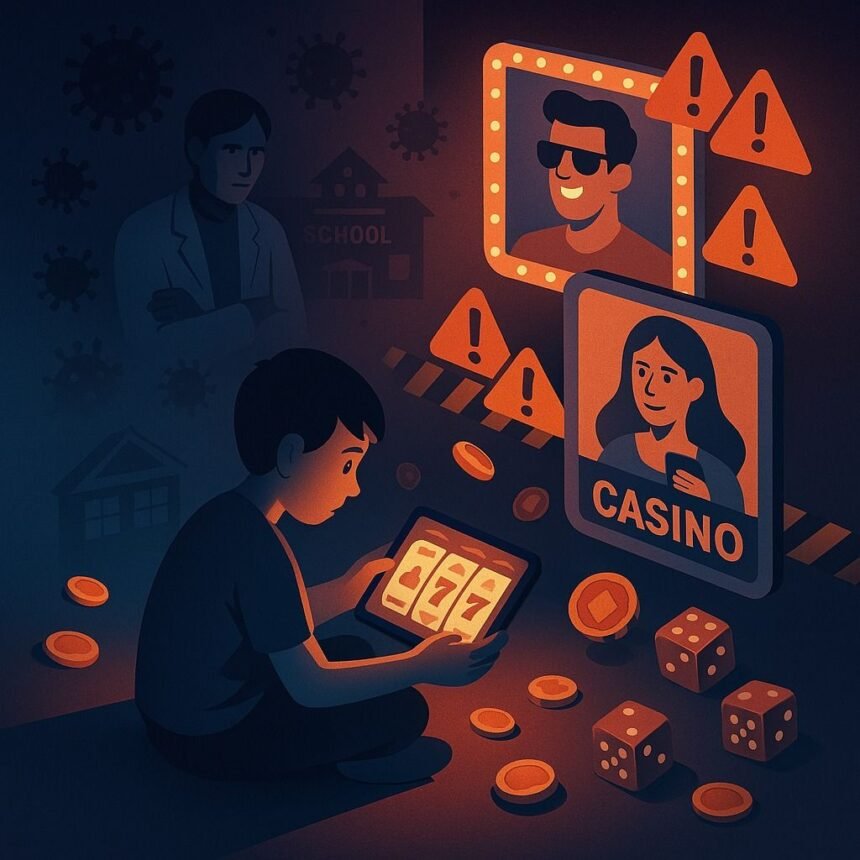
Understanding the signs of problem gambling is essential for maintaining a healthy relationship with gambling. Various behavioral symptoms can indicate a shift towards gambling addiction. For instance, a significant increase in the frequency of gambling activities, often accompanied by an inability to limit time spent gambling, is a prevalent warning sign. Individuals may find themselves preoccupied with gambling, constantly thinking about past gambling experiences or planning future gambling ventures, which can disrupt daily life.
Emotional issues often accompany problem gambling. Individuals may experience feelings of anxiety, irritability, or restlessness when attempting to cut back or stop gambling. They may also resort to gambling as a means of escapism, using it to cope with stress, anxiety, or other emotional distress. Additionally, feelings of guilt or shame regarding gambling habits can emerge, and in many cases, individuals may attempt to conceal their gambling behavior from family and friends.
Financial red flags are another critical aspect to consider in recognizing problem gambling. Noticeable changes in financial stability can be indicators; these may include the accumulation of significant debt, borrowing money from friends and family, or neglecting essential financial obligations. Those managing a gambling addiction might also find themselves selling personal items or assets to fund their gambling activities. If gambling losses begin to escalate and an individual continues to increase their gambling amounts in a misguided attempt to recover past losses, this behavior can severely jeopardize their financial health.
By being attentive to these behavioral, emotional, and financial signs, individuals can better assess their gambling habits and seek help if necessary. Early intervention often leads to more effective management of gambling behaviors, fostering a safer gambling experience.
Setting a Budget and Limits
Establishing a budget for gambling is essential for ensuring that your gaming activities remain enjoyable and responsible. A well-defined budget allows you to engage in gambling activities without jeopardizing your financial stability. Start by evaluating your overall financial situation, considering your disposable income after accounting for necessary expenses such as rent, utilities, and other bills. Determine a specific amount that you can afford to spend exclusively on gambling without impacting your regular financial commitments.
Once you have established a gambling budget, it is crucial to determine limits for your gaming activities. This includes setting maximum amounts for both daily and weekly gambling expenditures. For instance, if your budget allows for $100 per week, consider allocating that amount into smaller chunks. You might choose to spend no more than $20 per day, which can help keep your gambling activities within a manageable range.
Tracking your gambling expenses is vital to staying within your budget and limits. There are several tools available, from mobile apps specifically designed for monitoring gambling expenditures to simpler methods like a spreadsheet or a notebook. Regularly logging your spending helps you remain conscious of how your gambling habits align with your predetermined budget.
Moreover, it is important to recognize when to step back from gambling, especially if you find yourself consistently reaching your limits or experiencing financial strain. Developing self-awareness can lead to healthier gambling habits, ensuring the activity remains a form of entertainment rather than a financial burden. Resources and organizations dedicated to responsible gaming can provide support and tools to assist you in maintaining control over your gambling endeavors.
Choosing the Right Gambling Activities
When venturing into the world of gambling, selecting the right activities is fundamental to ensuring a safe and enjoyable experience. The choice of games and events can significantly impact your overall satisfaction and financial management. It is essential to begin by aligning your selections with your personal values and budget. This alignment can help create a gambling experience that is both entertaining and controlled.
One of the first steps in choosing suitable gambling activities is to assess your interests. Different games appeal to various preferences and skill levels. For instance, if you enjoy strategy and skill-based activities, games like poker or blackjack may be appropriate. Conversely, if you prefer luck-based options, slot machines or lotteries could be more suitable. Engaging in games that you find enjoyable increases the likelihood of a positive gambling experience, as it can lessen the pressure that often accompanies loss or risk.
Understanding the odds associated with each gambling activity is also crucial. Different games have varying odds of winning, which can affect your decision-making process. Familiarizing yourself with the rules and pay tables can offer insights into the potential risks and rewards of particular games. This knowledge empowers you to make informed choices that align with your desired level of engagement and budget constraints. It is advisable to choose activities where you can comfortably afford to play, thus avoiding any unnecessary financial strain.
Incorporating a budget into your gambling plan is another vital aspect. Setting limits on amounts you can afford to spend or lose can help maintain a sense of control. By choosing activities that fit within these parameters, you reduce the risk of impulsive gambling behavior. Ultimately, selecting the right gambling activities entails a combination of personal preference, understanding of the odds, and a disciplined approach to budgeting. This multifaceted method can guide you toward a more enjoyable and responsible gambling experience.
Knowing When to Take a Break
Engaging in gambling activities can be thrilling; however, it is essential to recognize the signs that indicate when to pause. Taking breaks not only enhances your overall experience but also safeguards your mental and financial well-being. One critical sign to consider is the feeling of frustration or agitation. If you find yourself becoming increasingly upset over losses or making irrational decisions in hopes of recovering funds, it is vital to step away from the game.
Another indicator is when gambling starts to interfere with your daily life, relationships, or obligations. If you catch yourself neglecting responsibilities at home or work, or if gambling occupies a disproportionate amount of your time, then a break is warranted. It is important to ensure that gambling remains a form of entertainment rather than a source of stress or conflict.
Implementing structured breaks can also be beneficial. Setting a timer or creating a schedule that allocates time for gambling can help. When the timer goes off, take at least a few minutes to disengage. During this time, engage in other activities that you find relaxing or enjoyable, such as going for a walk, reading a book, or spending time with friends or family. These activities can provide a refreshing perspective and prevent you from falling into a cycle of continuous play.
Moreover, understanding and acknowledging your emotional state can guide your decision to take breaks. If you notice that you are using gambling as a distraction from stress or negative emotions, consider whether it might be time to step back and reassess your motivations. This conscious awareness is crucial for maintaining control over your gambling habits.
Ultimately, taking regular breaks promotes responsible gambling. It can improve your mental clarity, reduce the risk of compulsive behavior, and help preserve your finances. Remember that it is perfectly acceptable to step away when you need to; it is a fundamental aspect of maintaining a balanced approach to gambling.
Utilizing Self-Exclusion and Support Resources
In the realm of safe gambling, self-exclusion serves as a critical tool for individuals who wish to take proactive measures to control their gambling activities. Various gambling organizations and jurisdictions offer self-exclusion programs that allow individuals to voluntarily restrict their access to gambling venues and online platforms. The self-exclusion process typically involves filling out a form that identifies the duration of the exclusion and the areas affected, ensuring that individuals can regain control over their gambling habits.
Implementing self-exclusion is a responsible step that can aid in minimizing the risk of problem gambling. It is important for individuals to recognize that self-exclusion is not a foolproof solution but rather a part of a broader strategy aimed at fostering responsible gambling behaviors. Individuals contemplating self-exclusion should also explore the available options, as they vary across locations. Some may provide temporary exclusions, while others offer longer-term or even permanent solutions.
Additionally, it is imperative to seek support resources when faced with gambling challenges. Numerous counseling services and helplines exist to aid individuals struggling with gambling addiction. Organizations such as the National Council on Problem Gambling (NCPG) offer hotline services where individuals can receive immediate assistance and guidance. These resources are essential in fostering an understanding of gambling addiction, providing emotional support, and offering practical strategies for recovery.
Engaging with support resources can enhance the effectiveness of self-exclusion measures, as they provide holistic approaches to problem gambling. Professional support can also help individuals develop coping strategies and identify triggers that may lead to unhealthy gambling behaviors. By utilizing both self-exclusion options and support resources, individuals can take significant strides towards managing their gambling practices effectively.
Promoting a Healthy Mindset Towards Gambling
Encouraging a positive and healthy attitude towards gambling is essential for enjoying this leisure activity responsibly. A significant aspect of maintaining such a mindset is recognizing that gambling should primarily be viewed as a form of entertainment rather than a guaranteed method for earning money. This perspective helps individuals understand that losses can occur and that the odds are typically not in their favor.
One effective strategy for fostering this mindset is to set clear personal limits before engaging in gambling activities. Establishing a budget and time constraints ensures that gambling remains enjoyable and does not escalate into an unhealthy pursuit. Gambling budgets should be based on disposable income that one can afford to lose without it impacting essential financial obligations.
Equally important is reminding oneself that the purpose of gambling is not necessarily to win. It is crucial to appreciate the social aspects of gambling as well, such as sharing experiences with friends or enjoying the atmosphere of a casino. This communal aspect can create a sense of enjoyment unrelated to the outcomes of the games being played.
Moreover, individuals should regularly assess their emotions surrounding gambling. This self-reflection can help identify feelings of stress or anxiety associated with gambling, enabling them to adjust or take breaks as necessary. Effective emotional management can contribute to a healthier gambling experience.
In conclusion, maintaining a healthy perspective on gambling involves adopting an entertainment-focused mindset, setting financial limits, and recognizing the broader social interaction involved. By promoting such attitudes, players can enjoy gambling responsibly while minimizing the risk of developing harmful habits.
Involving Friends and Family
Engaging friends and family in discussions about one’s gambling habits can significantly enhance the ability to maintain control over these activities. This support system is invaluable, as it encompasses various dimensions of encouragement, accountability, and emotional backing. The importance of having open dialogues regarding gambling cannot be overstated, as it helps to foster a sense of community and belonging that can mitigate feelings of isolation often associated with gambling.
When sharing experiences and challenges related to gambling with close ones, individuals often find reassurance in knowing they are not alone. This can lead to insightful conversations that allow for the identification of potentially harmful behaviors. Friends and family members can help reinforce positive habits and suggest constructive alternatives when gambling becomes excessive. By discussing triggers and patterns with loved ones, individuals are more likely to recognize when gambling is veering into an unsafe territory.
Moreover, involving friends and family also encourages transparency, which is vital for anyone trying to maintain healthy gambling habits. Keeping loved ones in the loop creates a safeguard and establishes a framework for shared responsibility. It can be beneficial to set up specific, agreed-upon boundaries regarding gambling with input from family and friends. This may include limits on time spent gambling, financial constraints, or the types of gambling activities undertaken.
For those who may struggle with reaching out, support groups or counseling facilitated by trained professionals can serve as a bridge to improve communication with loved ones. Ultimately, a reliable network that includes friends and family plays a key role in reinforcing self-control, ensuring that gambling remains a manageable and enjoyable activity rather than a compulsive behavior.
Conclusion and Resources for Responsible Gambling
In conclusion, engaging in safe gambling practices is essential for maintaining a healthy relationship with gambling activities. Throughout this blog post, we have highlighted various strategies to help individuals stay in control while enjoying their chosen games. Setting personal limits, understanding the odds, and recognizing the signs of problem gambling are vital components that can enhance the gambling experience while mitigating risks.
It is also important to remain informed about the various resources available that promote responsible gambling. Organizations such as the National Council on Problem Gambling and Gamblers Anonymous provide crucial support and guidance for those who may need help. Their hotlines and community resources can facilitate access to assistance, allowing individuals to seek help in a safe and confidential environment. Furthermore, many online gambling platforms offer tools that enable players to set limits on their spending and playing time, reinforcing the commitment to responsible gambling.
Additionally, governments in various countries have implemented regulations to ensure the safety of players. These measures often include age verification systems and self-exclusion programs, which further support individuals in maintaining a healthy gambling balance. By utilizing these tools and resources effectively, players can enjoy their gambling experiences while safeguarding their financial and emotional well-being.
Ultimately, adopting a responsible gambling approach is fundamental to enjoying this form of entertainment. By being aware of one’s limits, seeking support when needed, and utilizing available resources, individuals can engage in gambling responsibly and effectively.