


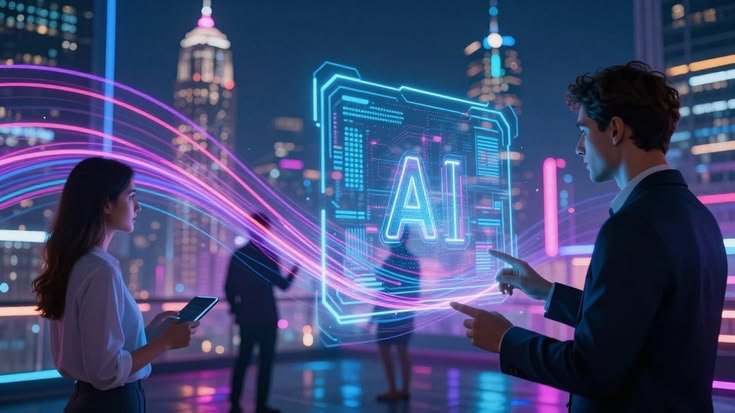
Introduction to Digital Entertainment Trends
Digital entertainment encompasses a wide array of media forms delivered through digital technology, including streaming services, video games, virtual reality experiences, and various interactive platforms. As technological advancements progress at an astonishing pace, the landscape of digital entertainment continuously reshapes itself, significantly impacting how content is produced, distributed, and consumed. Staying abreast of the trends influencing this domain is crucial for both creators and consumers alike, as these trends often dictate the direction of popularity and engagement.
The evolution of digital entertainment is intricately linked to shifts in consumer behavior. With the expansion of high-speed internet access and the proliferation of portable devices, audiences are increasingly gravitating towards on-demand content and immersive experiences. Traditional models of television and movie production are being challenged as consumers demand more interactive and personalized content. As platforms grow in diversity, followers of digital entertainment must remain vigilant about emerging trends that will shape not only their viewing experiences but also their social interactions.
Moreover, with the rise of artificial intelligence and machine learning, digital entertainment is entering a new era marked by greater personalization and representation. Algorithms now dictate much of what audiences see, tailored to individual preferences and viewing histories. Such advancements have sparked discussions about the implications for content diversity and representation in the industry. The relevance of influencer culture and social media in shaping entertainment choices further complicates the landscape, making it imperative that interested parties understand shifts in viewer dynamics.
As we delve deeper into specific trends that characterize digital entertainment’s trajectory, it is evident that the importance of adaptability cannot be understated. Embracing change, understanding market needs, and being receptive to technological innovations will be pivotal in navigating the complexities of this evolving environment.
The Rise of Virtual and Augmented Reality
The digital entertainment landscape is rapidly evolving, with virtual reality (VR) and augmented reality (AR) emerging as transformative forces in the industry. These immersive technologies are redefining audience engagement and are increasingly integrated into various facets of entertainment, from gaming to films and live events. As we look toward 2026, the advancements in both hardware and software for VR and AR are set to enhance user experiences significantly.
Developments in VR technology have made headsets more accessible, affordable, and user-friendly. Companies are investing heavily in this sector, resulting in improved graphics, wider field of view, and decreased latency, making virtual experiences more realistic and enjoyable. Similarly, AR applications are paving the way for interactive storytelling and participation in real-world settings, such as museums or live events. These innovations offer users opportunities to engage with content in ways that were previously unimaginable.
The gaming industry has particularly embraced these technologies, with numerous titles utilizing VR and AR to create more immersive environments that enhance player interaction. Popular games featuring these technologies are attracting younger audiences who seek engaging and interactive experiences, often prioritizing them over traditional media formats. Films are also beginning to explore how AR can be used for promotional content or unique storytelling methods, allowing viewers to interact with characters or plots in dynamic ways.
Moreover, events and concerts are incorporating VR and AR elements, enabling remote participants to engage with live experiences, expanding audience reach beyond physical limitations. This trend is expected to grow as more individuals, particularly younger demographics, feel comfortable navigating and engaging with such technology. As the integration of VR and AR continues to deepen, the future of digital entertainment appears not only progressive but also infinitely engaging for audiences globally.
Streaming Services and Content Personalization
The rapid emergence of streaming platforms has fundamentally reshaped how content is consumed and distributed in the digital entertainment landscape. As we look towards 2026, it is evident that platforms such as Netflix, Hulu, and Disney+ continue to expand their subscriber bases, fostering fierce competition that drives innovation in content creation. This competitive environment necessitates that streaming services not only offer a diverse range of programming but also ensure that their content resonates with individual viewers, leading to a growing emphasis on personalization.
One of the primary methods through which streaming services enhance viewer engagement is through sophisticated algorithms that analyze user behavior. By examining watch histories, likes, and viewing patterns, these algorithms generate personalized recommendations that cater to the unique preferences of each viewer. Consequently, this level of customization not only improves user satisfaction but also significantly increases content discoverability, allowing niche films and series to find their audiences more effectively. In turn, creators are encouraged to produce varied content that might not have garnered attention in traditional media environments.
Moreover, the shift towards subscription-based models is reshaping the way media is consumed. Consumers are becoming increasingly accustomed to paying monthly fees for access to vast libraries of content, leading to a decline in traditional cable subscriptions. This transformation forces traditional media entities to adapt their distribution strategies, as they compete with the rich array of exclusive programming offered by streaming services. The implications are profound: as subscription models proliferate, legacy media systems may need to reconsider their role in the entertainment ecosystem. The future landscape will likely see both traditional and digital platforms coexisting, with each shaping the other in an ever-evolving competition for viewer engagement.
The Influence of Artificial Intelligence on Content Creation
Artificial Intelligence (AI) is rapidly transforming the landscape of content creation across various mediums such as film, music, and digital media. By utilizing sophisticated algorithms and machine learning capabilities, AI tools can assist creators in generating innovative and bespoke content. In particular, AI has begun to play crucial roles in scriptwriting, music production, and video editing, thereby shaping the creative process.
In scriptwriting, AI systems can analyze vast databases of existing scripts to identify trends and themes that resonate with audiences. By understanding these patterns, AI tools can assist writers in developing engaging storylines and dialogue, thus helping to overcome writer’s block or sparking new ideas. Furthermore, AI-generated scripts can serve as drafts for human writers to refine, delineating a collaborative ecosystem that blends artificial intelligence and human creativity.
When it comes to music production, AI technologies can compose original tracks by analyzing genres, styles, and structural elements characteristic of popular songs. For instance, platforms powered by AI can autonomously create melodies or harmonies that fit within a specific genre, enabling musicians to explore new sonic landscapes. However, a significant challenge lies in ensuring that the creative essence and emotional depth, which are hallmarks of human-created music, are retained.
In the realm of video editing, AI applications can automate mundane tasks such as scene detection and color correction, significantly enhancing the efficiency of the editing process. By allowing human editors to focus on the artistic aspects of their work, AI tools pave the way for a more innovative final product. Yet, the challenge remains in balancing efficiency with the artistic nuances that a human touch brings.
In conclusion, while AI presents exciting opportunities in content creation, balancing technological efficiencies with human creativity will be essential for maintaining the rich tapestry of artistic expression. As we advance toward 2026, the collaboration between human creators and AI will likely define the future of digital entertainment, opening avenues for unprecedented innovations.
Gaming Evolution and Esports Explosion
The gaming industry is undergoing a transformative evolution, influenced significantly by technological advancements, consumer preferences, and social dynamics. Among the most notable trends is the rise of cloud gaming, which allows players to stream games directly to their devices without the need for high-end hardware. This accessibility is democratizing the gaming landscape, enabling a wider audience to participate in gaming experiences that were previously limited to dedicated consoles and PCs.
Moreover, the growth of cross-platform play is reshaping the way gamers interact. This feature enables players on different gaming systems to compete or cooperate within the same game environment. As a result, a more inclusive gaming community is being fostered, diminishing barriers that previously separated console and PC gamers. Such a shift not only enhances gameplay but also encourages community engagement, creating a richer overall experience.
Additionally, mobile gaming continues to expand rapidly, accounting for an increasing share of the gaming market. With advancements in mobile device capabilities, games that offer immersive experiences and high-quality graphics are readily available to a vast number of users. This segment is particularly appealing to casual gamers, broadening the gaming demographic significantly. As mobile technology evolves, it is expected that more sophisticated gaming experiences will become accessible on the go.
Compounding these trends is the meteoric rise of esports, which has steadily gained recognition as a legitimate competitive arena. With the establishment of professional leagues, sponsorship deals, and substantial prize pools, esports mirrors traditional sports in structure and economic impact. As esports continues to thrive, its implications for marketing are profound. Brands are increasingly investing in esports sponsorships and partnerships to reach engaged audiences, which in turn fuels the growth of this entertainment phenomenon and transforms audience interaction.
Social Media and Influencer Culture in Entertainment
The evolution of digital entertainment in recent years has been significantly influenced by the rise of social media platforms and influencer culture. With applications like TikTok and Instagram dominating the landscape, the ways in which content is created and consumed have transformed remarkably. These platforms have not only democratized content creation but have also reshaped audience engagement by enabling a rapid dissemination of trends and ideas.
Influencers, individuals who have built substantial followings on these platforms, play a pivotal role in this new paradigm. Their ability to connect authentically with followers fosters a sense of trust, making them powerful advocates for brands and products. As influencers curate their lifestyles and preferences online, they impact consumer behavior—shaping what audiences perceive as desirable or worth exploring in the realm of entertainment.
Brands are increasingly recognizing the significance of this influencer-driven dynamic. By collaborating with social media stars, companies can tap into targeted audiences, amplifying their reach in a manner that traditional advertising fails to achieve. Sponsored posts, live sessions, and interactive content provide brands with innovative ways to promote products while ensuring entertaining content for viewers. However, the integration of influencer marketing must be strategic to maintain authenticity; otherwise, consumers may resist what they perceive as disingenuous promotions.
Furthermore, traditional media outlets are adapting to these trends. They are incorporating social media strategies to engage audiences, often featuring influencers in traditional programming or creating partnerships that enhance the viewer experience. This blurring of lines between social media content and traditional entertainment signifies a new horizon where the influence of digital engagement is profound and lasting.
The Importance of Diversity and Inclusivity
In recent years, the digital entertainment landscape has witnessed a significant shift towards greater diversity and inclusivity. This change has been fueled by audiences who demand authentic representation, pushing industry leaders to adapt their content to reflect a broader spectrum of experiences and identities. As society continues to evolve, it is crucial for digital entertainment to embrace this transformation, responding to the varied demographics of their viewership.
Diversity in storytelling not only enriches narratives but also fosters a sense of belonging among viewers. By incorporating voices and perspectives from different cultural backgrounds, the entertainment industry can develop characters and plots that resonate with a wider audience. This inclusivity enhances relatability and engagement, thereby driving audience loyalty and providing measurable benefits to those who prioritize diverse narratives.
Moreover, the increasing demand for inclusivity in digital content is leading to innovative storytelling techniques. As creators explore themes and characters that have been historically marginalized, they also open up new avenues of creativity. This has the potential to disrupt traditional narratives, inviting fresh interpretations and encouraging more dynamic interactions between audiences and media. Audiences appreciate narratives that reflect their lives, and when they see themselves represented on-screen, it generates a stronger emotional connection with the content.
The potential market advantages of inclusive content cannot be overlooked. Companies that prioritize diversity in their programming often see improved financial performance. This is due in part to the ability to tap into underrepresented markets and the enthusiasm of diverse audiences who feel represented. In a globalized world, embracing inclusivity is not only a moral imperative but also a strategic advantage for digital entertainment brands seeking relevance and growth.
Sustainable Practices in Digital Entertainment
The digital entertainment industry is increasingly adopting sustainable practices as it moves towards minimizing its environmental impact. With growing awareness of climate change and its implications, stakeholders across sectors, including production companies, streaming services, and consumers, are actively seeking ways to implement eco-friendly initiatives. From production to distribution and consumption, the focus is on reducing carbon footprints and promoting sustainability.
In production, many film and television companies are embracing greener practices. This includes utilizing energy-efficient lighting, reducing waste during set construction, and implementing recycling programs on-site. Some productions are even opting for virtual sets and location shoots that minimize travel, thereby reducing emissions associated with transportation. Additionally, partnerships with local environmental organizations are becoming more common, ensuring that every stage of production adheres to sustainable standards.
Distribution methods are also evolving. Streaming services are focusing on improving the energy efficiency of their data centers and reducing the carbon emissions linked to digital content delivery. This is achieved by harnessing renewable energy sources and optimizing server usage during peak hours. As a result, companies are not only reducing their environmental impact but are also appealing to consumers who prioritize sustainability in their service choices.
Moreover, consumer reactions to these sustainable practices are notably favorable. A significant number of audiences express a preference for brands that demonstrate a commitment to environmental responsibility. Many are more likely to engage with and subscribe to platforms that prioritize green initiatives and showcase transparent sustainability efforts in marketing. As a result, digital entertainment brands are becoming increasingly aware that investing in sustainable practices not only helps the planet but also enhances their appeal in a competitive market.
Conclusion and Future Outlook
As we have explored in this blog post, digital entertainment is continuously evolving, driven by technological advancements and shifting consumer preferences. The trends identified, such as the rise of immersive technologies, the growing popularity of superior streaming services, the emergence of interactive content, and the increasing importance of personalization, are set to reshape the landscape of entertainment in 2026 and beyond. Each of these trends highlights a pivotal aspect of how content is created, delivered, and consumed, illustrating the dynamic nature of the industry.
Looking towards the future, it is evident that adaptability will be crucial for stakeholders in the digital entertainment sector. Companies must remain agile and responsive to new developments, such as the integration of artificial intelligence, virtual reality, and blockchain technology. These innovations will likely open up new avenues for storytelling and user engagement, presenting both opportunities and challenges. For instance, the advent of AI-driven recommendation algorithms could enhance user experiences, but also raises questions about data privacy and ethical use.
Moreover, as consumer preferences continue to evolve, it is vital for content creators and distributors to stay attuned to their audiences. The trends we’ve discussed indicate a growing demand for diverse, interactive, and personalized content, which calls for a thorough understanding of audience demographics and psychographics. By leveraging analytics and embracing feedback, industry players can tailor their offerings to meet the changing needs of consumers.
In conclusion, the future of digital entertainment is poised for remarkable transformation. By keeping an eye on emerging technologies and understanding the importance of adaptability in a rapidly changing landscape, stakeholders can position themselves for success in this exciting arena. Engaging with these developments will be essential as we approach 2026 and beyond, where innovation will continue to redefine the boundaries of entertainment.