


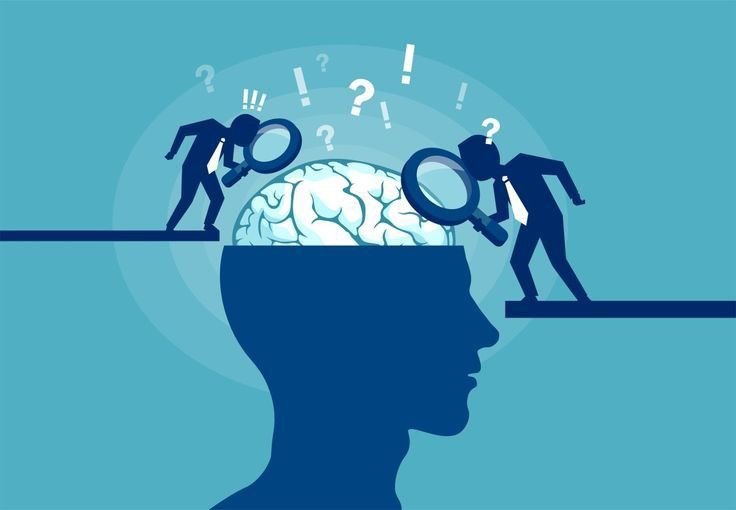
Understanding the Brain’s Reward System
The brain’s reward system is a complex network that plays a crucial role in regulating emotions, behaviors, and decision-making. Central to this system is dopamine, a neurotransmitter that is often referred to as the “feel-good” chemical. When individuals experience wins, whether they are small achievements or significant successes, dopamine is released in various parts of the brain, primarily in the nucleus accumbens and the ventral tegmental area. This release fosters feelings of pleasure and reinforces behaviors that led to the positive outcome.
At the core of the brain’s reward system are neural pathways that connect different regions responsible for processing rewards. When a person encounters a rewarding stimulus, these pathways become activated, signaling the brain to take note of the activity and encouraging repetition of the behavior. Conversely, outcomes perceived as losses can trigger a different set of reactions within the brain. Instead of a dopamine rush, losses may activate regions like the anterior cingulate cortex, which is involved in error detection and conflict monitoring.
This juxtaposition demonstrates how the brain not only rewards favorable outcomes but also teaches individuals to adjust their behaviors in response to losses. The emotional responses tied to wins and losses can lead to varying mental states; successful outcomes often induce optimism and motivation, while losses might lead to feelings of frustration or disappointment. Understanding this intricate relationship between wins and losses and the associated neural activities is crucial for individuals seeking to manage their emotional well-being. By gaining insight into how dopamine and neural pathways operate, one can better appreciate the implications of both victory and defeat on human behavior.
The Emotional Impact of Winning
Winning can elicit profound emotional responses, primarily characterized by increased happiness and heightened self-esteem. These feelings are not merely superficial; they are deeply rooted in the brain’s complex biochemical processes. When an individual experiences success, the brain’s reward system becomes activated, leading to the release of certain neurochemicals, most notably dopamine. This neurotransmitter plays a crucial role in the feeling of pleasure and satisfaction associated with achieving a goal. The influx of dopamine contributes to a distinct sense of joy, reinforcing positive emotions connected to the victory.
Research indicates that the emotional effects of winning can significantly shape an individual’s self-perception and motivation. For instance, the exhilaration one feels after achieving a goal can enhance self-esteem, instilling a sense of competence and capability. This increase in self-worth can translate into a greater willingness to tackle future challenges, fostering a cycle of positivity and further success. As the brain associates winning with pleasure, individuals are more likely to engage in behaviors that they foresee as opportunities for victory, thus influencing their decision-making processes in a favorable manner.
The impact of winning extends beyond the moment of triumph, embedding itself in the learning and behavioral frameworks of individuals. Positive outcomes can build resilience, encouraging persistence in the face of adversity. Furthermore, the emotional high from winning can lead to a more optimistic outlook, which is invaluable in various facets of life, including personal relationships and professional endeavors. Overall, the emotional effects of winning not only elevate happiness but also significantly shape one’s interactions with future opportunities, creating a positive feedback loop that enhances overall life satisfaction.
The Emotional Impact of Losing
The experience of losing, whether in competitive sports, games, or personal endeavors, can evoke a spectrum of emotional responses. Psychological research has consistently shown that feelings of disappointment rank high among the emotional aftermath of a loss. This disappointment stems from unmet expectations, wherein the individual’s hopes for success are abruptly dashed. Such feelings can lead to adverse effects on mental well-being, contributing to increased anxiety and stress levels.
When an individual faces a loss, the brain’s chemistry adjusts significantly. The amygdala, a region of the brain associated with processing emotions, often becomes hyperactive during this time, leading to heightened feelings of sadness and distress. Meanwhile, the levels of dopamine, a neurotransmitter linked to feelings of reward and pleasure, can diminish, leaving individuals feeling demotivated and disheartened. The sensation of failure can, therefore, negatively impact cognitive functions and overall mental processes, making it challenging to bounce back mentally.
Furthermore, these emotional responses may lead to withdrawal or defensive behaviors. People may choose to avoid situations where potential losses could occur, opting for a more risk-averse approach to life. This defensive mechanism serves as a coping strategy to protect individuals from the emotional turmoil associated with losing. Consequently, the psychological effects of losing not only shape immediate responses but can also contribute to long-term behavioral changes and emotional resilience. Understanding these dynamics highlights the importance of developing healthy coping mechanisms in the face of loss.
The Role of Anticipation in Outcomes
The human brain is fundamentally wired to anticipate outcomes, a characteristic that plays a significant role in emotional responses to both wins and losses. Anticipation is not merely a passive process but an active engagement that identifies potential rewards or losses, guiding decision-making processes. When an individual encounters a situation with uncertain results—such as a game, a gamble, or any competitive stretch—the brain initiates a complex mechanism of expectation.
This mechanism is largely regulated by neural circuits that predict rewards based on prior experiences and contextual cues. The brain utilizes past information to calculate the likelihood of success or failure, activating specific regions linked to reward processing, such as the ventral striatum. This prediction of outcomes allows individuals to formulate strategies that maximize their chances of winning, heightening the emotional stakes of the impending results.
Emotional responses to winning or losing are tightly interwoven with the brain’s anticipation processes. When the expected outcome is positive, the brain releases a surge of neurotransmitters, particularly dopamine, that reinforces the pleasurable feelings associated with success. Conversely, when outcomes are negative, the brain’s response may lead to disappointment, often eliciting feelings of frustration and sadness. This dynamic interaction between anticipation and emotional reaction underscores the importance of expectation—how individuals emotionally navigate victories and failures is significantly influenced by their predictive assessments.
Furthermore, anticipation strengthens not only motivational states but also bolsters cognitive functions associated with decision-making. Recognizing patterns in past outcomes and adjusting future actions based on those learnings are vital components in how the brain seeks to optimize the balancing act between prediction and reality. Through this lens, the anticipation of outcomes is crucial for not merely understanding personal emotional responses, but also for comprehending the broader aspects of human behavior in tasks involving risk and reward.
Learning from Wins and Losses
Experiencing wins and losses plays a critical role in shaping our cognitive and emotional development. The brain responds distinctively to different outcomes; wins can foster positive emotions and increase motivation, while losses may lead to feelings of disappointment and discouragement. However, these experiences are not merely emotional reactions; they trigger profound cognitive processes that enhance learning and inform future decision-making.
An essential aspect of this process is neuroplasticity, which refers to the brain’s ability to reorganize itself by forming new neural connections throughout life. When we encounter a win, the brain reinforces pathways associated with positive outcomes, enhancing our confidence and promoting similar future actions. Conversely, losses prompt the brain to evaluate the circumstances that led to failure. This evaluation is crucial as it allows individuals to adjust their strategies, avoid similar mistakes, and potentially turn losses into valuable lessons.
The duality of wins and losses creates a feedback loop that facilitates adaptive learning. For example, after a victory, an individual may feel empowered and are more likely to take calculated risks in future endeavors. On the other hand, a setback can cultivate resilience and a stronger motivation to improve. Both outcomes contribute to a more nuanced understanding of personal capabilities and environmental variables affecting success.
Cognitive adaptability, thus shaped by wins and losses, helps individuals build a diverse set of skills and strategies. Over time, experiences accumulate, creating a more profound understanding of how actions lead to specific outcomes. By reflecting on wins and losses, one can enhance their decision-making capabilities, ultimately leading to a more successful and fulfilling life. This iterative process underscores the importance of viewing each experience as an opportunity for growth and learning.
Cognitive Biases and Their Effects on Perception of Outcomes
Cognitive biases are systematic patterns of deviation from norm or rationality in judgment, significantly influencing how individuals perceive outcomes such as wins and losses. Among the most prominent biases affecting judgment are overconfidence and loss aversion. Overconfidence occurs when individuals overestimate their abilities or the accuracy of their predictions. This cognitive bias can lead to an exaggerated perception of the likelihood of winning in various contexts, from gambling to investment decisions. For example, a recent study revealed that traders who exhibit overconfidence are more likely to engage in high-risk trading, mistakenly believing they possess superior foresight.
On the other hand, loss aversion describes the tendency for individuals to prefer avoiding losses rather than acquiring equivalent gains. This concept, rooted in prospect theory, indicates that the emotional impact of losing is greater than that of winning, thereby skewing decision-making processes. As a result, people might avoid taking necessary risks even when potential rewards could be significant. For instance, an investor may hold onto a declining stock in hopes of recovering their losses rather than reallocating resources and seizing more favorable investment opportunities.
Such biases significantly shape perceptions of wins and losses, creating a feedback loop that can alter future decisions. For example, a win may reinforce overconfidence, making an individual more likely to engage in riskier behavior later. Conversely, repeated losses may enhance loss aversion, leading to an increasingly cautious approach over time. Understanding these cognitive biases can facilitate better decision-making by encouraging individuals to reflect critically on their thought processes and their reactions to outcomes.
Long-term Effects of Frequent Winning and Losing
The experience of frequently winning or losing can have significant long-term effects on brain function and emotional stability. The brain is highly adaptive and responds to patterns of success and failure, which can shape cognition and behavior over time. Consistent winning could lead to an increase in dopamine levels, reinforcing positive feelings and promoting a sense of reward. This may create a feedback loop that encourages individuals to seek out competitive situations more frequently, enhancing their motivation. However, relying solely on wins for self-esteem can lead to emotional fluctuations; individuals may become increasingly anxious about potential losses.
Conversely, a pattern of frequent losing can induce negative changes in brain chemistry and emotional health. Losses often trigger an increase in stress hormones, leading to feelings of frustration and decreased motivation. Over time, chronic losing may contribute to a sense of helplessness or defeat, which can hinder one’s ability to engage in future challenges. Neural pathways associated with anxiety and depression may become more prominent, affecting overall mental well-being.
The implications for mental health in both scenarios are profound. Individuals who regularly experience wins may develop resilience but also face the risk of becoming overly reliant on external validation. On the other hand, repeated losses can undermine self-confidence and foster a tendency towards withdrawal from competitive situations.
Ultimately, achieving a balance between wins and losses may be crucial. Recognizing that both experiences can coexist in a person’s journey can promote emotional stability. Therefore, cultivating an awareness of these patterns and their effects on brain function can significantly enhance one’s approach to competition, leading to healthier emotional outcomes and improved mental health.
Strategies for Managing Reactions to Wins and Losses
Experiencing wins and losses is an inevitable part of life, and how we respond to these outcomes can significantly influence our emotional well-being. To effectively manage the emotional responses associated with winning and losing, incorporating practical strategies is essential.
One effective technique is mindfulness, which involves staying present and fully engaged in the moment without being overly reactive or overwhelmed by emotional responses. Practicing mindfulness can help individuals observe their feelings about a win or loss without judgment. Techniques such as breathing exercises, meditation, or even simple grounding practices can facilitate this awareness, allowing for a more balanced emotional response.
Another valuable strategy is reframing. This cognitive technique encourages individuals to view situations from different perspectives. Instead of perceiving a loss as a failure, one can reinterpret it as a learning opportunity or a stepping stone towards future success. This shift in thinking can diminish negative emotions and foster motivation to pursue further achievements.
In addition, resilience-building exercises are indispensable for managing emotional reactions. Engaging in activities that strengthen resilience, such as setting realistic goals, fostering social connections, and practicing positive self-talk, can prepare individuals to better handle the fluctuations that come with wins and losses. One helpful exercise is to reflect on past experiences, identifying specific challenges and how they were overcome, subsequently gaining insights that can be applied in future scenarios.
By integrating mindfulness, reframing, and resilience-building techniques into daily routines, individuals can better manage their emotional responses, making the journey through wins and losses a more constructive and growth-oriented experience.
Conclusion: Balancing the Brain’s Responses to Success and Failure
In examining how the brain reacts to wins and losses, it becomes evident that our responses to these experiences are deeply intertwined with our emotional and cognitive processes. The brain’s reward system, particularly the roles played by dopamine and other neurotransmitters, illustrates how victories can enhance motivation, satisfaction, and overall well-being. Conversely, losses can trigger stress responses and feelings of disappointment, impacting not just our mood but our decision-making capabilities.
Understanding these dynamic reactions allows individuals to cultivate resilience and adaptability in the face of both success and failure. Recognizing that the brain is wired to respond to achievements with a sense of reward encourages people to seek out challenges and embrace opportunities that foster growth. On the other hand, comprehending the effects of setbacks can help individuals develop strategies for emotional regulation and cognitive reframing, promoting a healthier approach to failure.
Furthermore, this awareness can lead to improved decision-making processes, as individuals learn to approach outcomes with a balanced perspective, acknowledging the lessons that both wins and losses provide. It emphasizes the importance of maintaining a growth mindset, particularly in high-pressure situations where emotional responses may otherwise overwhelm rational thinking. As such, the ability to balance the brain’s responses is essential for personal development, enabling a more thoughtful approach to future endeavors.
Ultimately, fostering an understanding of how the brain reacts to wins and losses serves not only to enhance personal growth but also contributes significantly to improved interpersonal relationships and overall mental health. By addressing these psychological intricacies, individuals can empower themselves to navigate the complexities of success and failure with greater ease and strategic foresight.