

Understanding the House Edge
The house edge is a fundamental concept in gambling and gaming that symbolizes the statistical advantage that a casino or betting operator maintains over players. It ensures that, over time, the house will always win a portion of the players’ wagers, reflecting a built-in profit margin for the establishment. This edge exists in every game played in the casino, be it poker, blackjack, roulette, or slot machines.
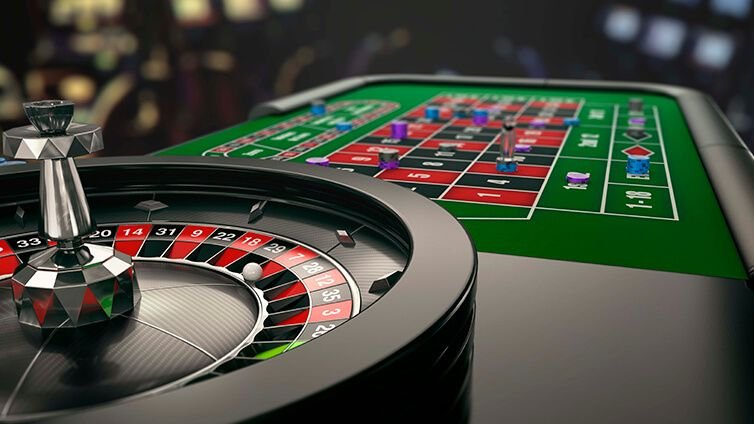
Mathematically, the house edge is typically expressed as a percentage. For instance, in American roulette, the house edge is approximately 5.26%. This means for every $100 wagered, the player can expect to lose, on average, $5.26 over time. This percentage incorporates the zero and double zero spaces on the roulette wheel, which skew the odds against the player.
In contrast, games like blackjack demonstrate varying house edges depending on the rules and player strategy. When players implement optimal strategies, the house edge can be as low as 0.5%. This illustrates how skillful play can influence one’s chances against the house. On the other hand, slot machines tend to have higher house edges, often ranging from 2% to 10%, depending on the specific game and settings. This disparity highlights the necessity for players to understand the game mechanics and odds before engaging in wagers.
Understanding the house edge is crucial for gamblers, as it allows informed decisions when choosing which games to play. Recognizing that the house edge indicates the probability of losing over time can help players manage their bankrolls and set realistic expectations regarding wins and losses.
The Importance of Gambling Strategy
In the realm of gambling, understanding and employing effective strategies is crucial for players aiming to minimize the house edge. The house edge refers to the mathematical advantage that casinos hold over players in games of chance, and while it is an inherent aspect of gambling, adopting sound strategies can notably reduce its impact. Different games require different approaches; for example, in blackjack, one of the most popular table games, utilizing basic strategy charts helps players make informed decisions based on the dealer’s upcard and their own hand. This not only optimizes the chances of winning but also significantly lowers the house edge.
Another game where strategy plays a pivotal role is poker. Unlike many other casino games, poker pits players against each other rather than the house, thus introducing a significant element of skill. Understanding various strategies, such as tight-aggressive play or bluffing techniques, allows seasoned players to gain an advantage over their opponents. Managing one’s bankroll effectively also falls under strategic play, as it ensures longevity in the game by minimizing risks.
In the realm of sports betting, various betting systems, such as the Martingale or Fibonacci strategies, can be implemented to shape betting decisions. These systems rely on mathematical principles aimed at managing stakes to optimize potential wins. However, it is essential to recognize that while strategies can enhance prospects, knowledge of the sport and rigorous research remain paramount in developing successful betting outcomes.
Ultimately, the effectiveness of any gambling strategy hinges on the player’s skill level and understanding of the game. It is this combination of strategy and knowledge that can substantially mitigate the house edge, enabling players to enjoy a more lucrative gambling experience.
Games With Lower House Edges
In the vast landscape of casino gaming, players often seek out games that provide the most advantageous odds. Notably, certain games consistently feature lower house edges, thereby allowing players to retain more of their wagers in the long run. Among these, blackjack, baccarat, and specific forms of poker stand out due to their favorable conditions.
Blackjack, highly regarded for its strategic depth, presents an impressive house edge of around 1% when played with optimal strategies. This low edge is primarily attributable to the ability of players to make decisions that can influence the outcome of the game. By employing strategies such as card counting or taking into account the dealer’s upcard, players can further diminish the house’s advantage, making blackjack a prime choice for those looking to maximize their winnings.
Baccarat, another game with a lower house edge, often features a house edge of approximately 1.06% on player bets and 1.24% on banker bets. This simplicity, coupled with favorable odds, makes baccarat particularly appealing to players. Unlike blackjack, where skill heavily influences outcomes, baccarat relies more on chance, making it accessible for players who prefer a less strategic approach.
Furthermore, certain variants of poker, such as Texas Hold’em or Omaha, provide opportunities for players to face off against each other rather than the house. In these cases, the advantage gained from skill can lead to a lower effective house edge, depending on players’ strategies and their understanding of the game dynamics. The variance in skill among players can significantly impact the profitability of these games.
Choosing games with lower house edges not only enhances the potential for better returns but also underscores the importance of understanding game mechanics and strategies. This knowledge equips players with the ability to make informed decisions and improves their overall playing experience.
The Role of Skill in Beating the House Edge
In many casino games, the outcome is significantly influenced by the player’s skill level, particularly in games like poker and blackjack. These games exemplify how strategic decision-making can help skilled players improve their chances of winning and potentially overcome the house edge. While the house edge is an inherent advantage that casinos hold in most gambling scenarios, the role of skill can alter the dynamics, allowing seasoned players to achieve superior results compared to their less experienced counterparts.
In poker, for example, players must rely on their ability to read opponents, calculate odds, and make calculated risks based on the game’s progression. A skilled player is adept at knowing when to bluff, fold, or call, based on their assessment of the situation. By leveraging psychological factors and optimal strategies, advanced players can maximize their wins and minimize losses, thereby diminishing the impact of the house edge.
Similarly, in blackjack, players are largely influenced by their strategic choices rather than pure chance. Proficient players utilize techniques such as card counting and basic strategy to inform their actions, determining whether to hit, stand, double down, or split. These informed decisions can significantly improve the player’s odds, sometimes reducing the house edge to as low as 0.5% with optimal play. Studies have shown that players who actively pursue and practice these strategies tend to outperform those who rely solely on luck, highlighting the importance of skill in these environments.
Ultimately, while the house edge may not be entirely eradicated, skilled players can significantly tilt the odds in their favor through calculated gameplay, making skill development essential for anyone looking to challenge the house advantage.
Managing Your Bankroll Effectively
Effectively managing your bankroll is essential when attempting to beat the house edge in any gambling activity. A well-structured bankroll management strategy not only helps in prolonging your playing time but also increases your chances of winning by ensuring that you are playing responsibly and within your means. Setting clear betting limits is paramount; this enables you to establish how much money you are willing to invest for a specific period, as well as how much you can afford to lose without impact on your overall financial situation.
Understanding your loss threshold is a critical component of successful bankroll management. This means that you should determine the maximum amount you are willing to lose before you stop playing. By adhering to this predetermined limit, you can avoid making impulsive bets that can lead to substantial financial losses. It is important to be disciplined and to stick to your loss threshold even if you find yourself on a losing streak. Allowing emotions to guide your betting decisions often results in poor choices that compromise your bankroll.
One effective method for managing your bankroll is the percentage betting strategy. This strategy involves determining a fixed percentage of your total bankroll that you will wager on each bet, rather than betting a fixed amount. For instance, by betting 1% to 5% of your bankroll on each game, you can minimize losses and extend your playtime significantly. This approach not only allows for flexibility in your betting but is also adaptable to fluctuations in your bankroll. Over time, using a consistent percentage can cultivate a disciplined betting style, which is essential in the pursuit of overcoming the inherent house edge.
Psychology of Gambling: Understanding Risk and Reward
The psychology of gambling plays a pivotal role in influencing players’ decisions. Many individuals engage in gambling activities driven by a desire for excitement, social interaction, or the potential for financial gain. However, various psychological factors can cloud judgment and lead players to make irrational choices. One prominent concept in this domain is risk aversion, which refers to the tendency of individuals to prefer a sure outcome over a gamble with a higher expected value. This phenomenon can make players hesitant to accept losses, often leading them to chase their losses in an attempt to break even, further complicating their risk management.
Another critical psychological factor is the gambler’s fallacy, which occurs when individuals believe that past outcomes will influence future events in games of chance. For instance, a player might incorrectly assume that a slot machine is ‘due’ for a win after a series of losses. This erroneous belief underestimates the inherent house edge that exists within these games. As a result, players might increase their bets believing they are on the cusp of a winning streak, ultimately skewing their perception of risk versus reward.
Cognitive biases also play a significant role in gambling behavior. For example, the illusion of control can lead players to believe they can manipulate outcomes through skill or strategy in games inherently governed by chance. This misunderstanding can compel individuals to underestimate the house edge, influencing their willingness to place bets. Additionally, confirmation bias can cause players to focus on wins while dismissing losses, creating a skewed perception of their overall gambling experience.
By understanding these psychological elements, players can make more informed decisions, allowing them to better navigate the complex interplay of risk and reward in gambling activities.
When Luck Plays a Role
In the realm of gambling, the importance of luck cannot be overstated, as it can significantly impact the results of any game, irrespective of the strategies employed or the skill level of the player. While expert strategies can enhance one’s chances of success, they do not eliminate the inherent risks associated with unpredictable events in games of chance.
Fundamentally, games like slots, roulette, or poker are influenced by what is known as variance. Variance reflects the fluctuations that can occur in the short term, leading to swings in outcomes that may deviate significantly from the expected long-term odds. For instance, a player may experience a winning streak due to favorable outcomes, which can create the illusion that skill is the primary factor at play. However, these occurrences are often part of a larger statistical model where luck remains a critical component.
In the short term, a player’s results may vary wildly from their long-term probability. This phenomenon highlights the unpredictable nature of gambling, where even seasoned players can be at the mercy of luck. Consequently, while it is possible to improve one’s chances through knowledge and strategic play, beating the house edge relies heavily on understanding that luck plays a pivotal role in gambling outcomes.
Ultimately, one must acknowledge that skill alone cannot guarantee success in gambling. The interplay between variance and luck surfaces prominently in gaming experiences, where short-term wins or losses may not necessarily correlate to a player’s future performance. Therefore, for those looking to engage in gambling, recognizing the balance between skill and luck is essential in navigating this exciting yet unpredictable landscape.
The Ethics of Gambling and Beating the House Edge
Gambling, while a common form of entertainment, raises several ethical concerns that are essential to consider, particularly in the context of attempts to beat the house edge. The notion of beating the house edge often leads individuals to adopt strategies that may not only challenge the rules of fairness inherent in gambling practices but also edge into moral gray areas. Enthusiasts who pursue these strategies must be aware of the potential consequences, not just for themselves but for society at large.
One critical consideration is gambling addiction, which can have detrimental effects on individuals and their families. Individuals who are drawn to gambling as a means to overcome the house edge may find themselves in a precarious situation, risking financial stability and personal relationships. Responsible gambling practices are thus paramount. This includes setting limits on time and money spent, recognizing the signs of problem gambling, and seeking help when necessary. The pursuit of gaming strategies that promise to beat the house edge can sometimes blur these lines, pushing individuals toward excessive risk-taking and neglecting the fundamental principle of gambling as entertainment.
Furthermore, understanding the potential ramifications of pursuing ways to beat the house edge involves recognizing the broader impact on the gambling industry and society. Extricating oneself from the thrill of competition against the house can cultivate a toxic environment, influencing others to engage in similar pursuits without proper caution. Thus, those who gamble should approach their activities with a mindset focused on enjoyment rather than obsession with beating the odds.
The ethical dimension of gambling reminds all participants to stay vigilant about their motives and practices. By maintaining a healthy approach, individuals can better navigate the complexities and consequences of gambling while respecting the underlying principles of fairness and enjoyment.
Conclusion: Can You Truly Beat the House Edge?
The concept of the house edge is foundational in the realm of gambling, serving as both a challenge and a guiding principle for players. The house edge represents the percentage of each bet that the gambling establishment retains, ensuring its profitability over time. This inherent advantage can vary by game, notably being lower in certain variations of blackjack or poker compared to games like slots and roulette. Players might often contemplate whether skillful play or strategic approaches can effectively reduce or negate the influence of the house edge.
In games that incorporate an element of skill, such as poker or certain variants of blackjack, players may increase their chances of winning against the house through informed decision-making and strategic betting. Employing techniques like bankroll management and game selection can lead to improved outcomes, albeit not an absolute guarantee of consistent wins. It’s essential to acknowledge that while such strategies may enhance the player’s edge, fundamentally, the house edge remains a present factor that’s difficult to overcome on a long-term basis.
However, it’s crucial to remember that gambling is as much about entertainment as it is about winning. The thrill of gameplay and enjoyment should not be overshadowed by the pursuit of beating the house edge. This enjoyment serves as a driving force for many individuals engaging in gambling activities. Recognizing the balance between responsible play, strategy, and enjoyment is vital. While dissecting the numbers may reveal the challenges posed by the house edge, embracing the entertaining aspects of gambling can significantly enhance the overall experience.