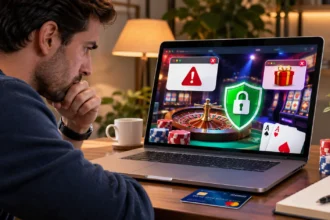



Online gambling fraud has become a serious concern as scammers use fake websites, misleading advertisements, and fraudulent messages to target people. These schemes often promise unexpected prizes, guaranteed winnings, or exclusive benefits to attract attention. However, behind these claims, criminals may be attempting to steal personal information, collect unauthorized payments, or gain access to financial accounts.
Understanding casino scams and their warning signs is an important part of online safety. Fraudsters may impersonate legitimate businesses, create convincing websites, or pressure people into making payments without proper verification. Learning how these scams operate can help individuals recognize suspicious activity, avoid financial losses, and protect their digital identities.
What Are Casino Scams?
Casino scams are fraudulent activities in which criminals use gambling-related websites, advertisements, messages, or identities to deceive people. These schemes may involve fake prize notifications, unauthorized payment requests, misleading account information, or stolen personal details. Their main purpose is usually to obtain money or sensitive information through dishonest methods.
Some scams involve completely fabricated platforms that imitate legitimate gambling businesses. Others use social media accounts, text messages, or emails to impersonate customer support representatives and payment departments. The appearance of a professional website or familiar brand name does not automatically mean the communication is genuine.
Casino-related fraud can affect individuals even when they have never participated in gambling activities. For example, someone may receive an unexpected message claiming they have won a large prize. Recognizing that such messages can be fraudulent helps prevent unnecessary payments and reduces the risk of sharing sensitive information.
Why Online Casino Scams Are a Growing Concern
Online fraud is increasingly sophisticated because criminals can create convincing websites and messages using readily available digital tools. Fake branding, professional designs, and automated communication can make suspicious platforms appear trustworthy. People may have difficulty recognizing these schemes when fraudulent material closely resembles familiar online services.
Social media and digital advertising also allow deceptive messages to reach large audiences. Fraudsters may distribute misleading promotional claims, impersonate established organizations, or create fake customer testimonials. These techniques are designed to establish false credibility and encourage people to respond before carefully examining the information.
Another concern is the growing use of artificial intelligence to create realistic messages and impersonations. Criminals can produce convincing emails, fabricated reviews, and misleading customer support conversations. As these techniques develop, understanding common fraud indicators becomes more important than relying entirely on appearance or communication style.
Fake Casino Websites and Impersonation Scams
Fake casino websites are designed to resemble genuine gambling platforms while operating without legitimate authorization or honest business practices. Fraudsters may copy logos, page layouts, and promotional materials to create a familiar appearance. These websites can be used to collect personal information or convince visitors to make payments that are difficult to recover.
Some fraudulent websites display fabricated account balances or supposed winnings to encourage further payments. The numbers shown may have no connection to real money or legitimate transactions. Individuals should treat unexplained balances and unexpected payment requests as warning signs rather than proof that they have received a genuine financial benefit.
Impersonation can also happen through email, text messages, and social media profiles. A scammer may claim to represent customer support and request confidential information to resolve an invented problem. When a message appears suspicious, avoid responding through its provided contact details and seek independent assistance through appropriate consumer protection channels.
Warning Signs of a Casino Scam
One of the clearest warning signs is a promise of guaranteed winnings or effortless financial success. Fraudsters often use unrealistic claims to create excitement and discourage careful thinking. Any message suggesting that a financial outcome is certain should be treated cautiously, especially when it involves an unfamiliar organization or unexpected prize.
Another warning sign is pressure to make an immediate payment. Scammers may claim that a prize will expire, an account will be blocked, or additional charges must be paid urgently. These demands are intended to prevent people from seeking advice or checking whether the request is legitimate.
Poorly explained payment requirements, inconsistent company information, and requests for sensitive documents can also indicate fraud. Some suspicious messages contain unusual wording or conflicting details, although professional writing does not guarantee authenticity. The safest response to unexplained demands is to stop communicating until the situation can be independently assessed.
Fake Casino Bonuses and Prize Notification Scams
Fraudulent prize notifications are a common method used to attract attention through unexpected financial promises. A person may receive an email or message claiming they have received a large casino prize despite never entering a related promotion. The message may then request personal information or an advance payment.
Scammers sometimes describe these payments as verification charges, processing costs, or administrative fees. Their goal is to convince recipients that sending a smaller amount will unlock a much larger financial benefit. Unexpected prize messages that demand payment should be considered strong indicators of fraud.
Fake promotional claims can also appear in social media advertisements and messages from unfamiliar accounts. These communications may use fabricated testimonials or misleading success stories to create credibility. Avoid sharing financial information or responding to unsolicited prize claims, particularly when the sender cannot provide a clear and independently verifiable explanation.
Casino Withdrawal Scams and Unexpected Payment Demands
Withdrawal-related fraud involves misleading claims that money cannot be released until additional payments are completed. A fraudulent platform may display a supposed account balance while repeatedly requesting new charges. These demands can continue without any genuine intention of returning money to the person involved.
Scammers may invent different explanations for these charges, including account verification problems, payment processing delays, or unexpected administrative requirements. Each explanation can make the next payment appear necessary. Repeated demands for money without transparent supporting information are a serious warning sign.
Someone facing this situation should avoid making further payments simply because earlier money has already been sent. Continuing to pay may increase financial losses without resolving the problem. Contacting the relevant bank or payment provider promptly can help determine whether protective actions or transaction disputes are available.
Phishing Emails and Fake Casino Customer Support
Phishing is a form of online fraud in which criminals attempt to steal information through deceptive communication. Casino-related phishing messages may pretend to come from account administrators, payment departments, or customer support teams. These messages often claim that urgent action is necessary to resolve an invented security problem.
A phishing message may ask someone to reveal passwords, verification codes, or financial details. It may also contain a suspicious attachment or a link designed to collect information. Even when the sender uses a familiar logo or official-sounding language, the request may still be fraudulent.
To reduce the risk, avoid opening unexpected attachments and do not share confidential authentication information through messages. If a communication appears suspicious, contact the relevant organization through independently established channels rather than replying directly. Reporting phishing attempts can also help prevent similar messages from affecting other people.
Personal Information and Identity Theft Risks
Personal information is valuable to cybercriminals because it can be used for identity theft and other fraudulent activities. Casino-related scams may attempt to collect names, addresses, dates of birth, account credentials, and financial information. Some fraudsters create fake verification processes specifically to obtain sensitive documents.
Once information has been exposed, criminals may attempt to misuse it in unrelated financial scams. They could impersonate the affected person or attempt unauthorized access to other accounts. This means the consequences of a fraudulent website may extend beyond any initial payment or interaction.
Individuals should be cautious whenever an unfamiliar website or message requests sensitive personal data. Avoid sending identification documents, banking details, or security codes to unverified recipients. If information has already been shared, taking prompt steps to secure affected accounts can reduce the possibility of further misuse.
How to Recognize Suspicious Casino Advertisements
Misleading advertisements can appear on social media, search results, messaging platforms, and other digital channels. These advertisements may promote unrealistic financial claims, unexpected prizes, or supposed opportunities that require immediate attention. Their design often emphasizes excitement while providing little meaningful information about the organization behind the message.
Some advertisements use fabricated reviews, celebrity images, or false endorsements to create an appearance of legitimacy. Others include countdown timers or warnings intended to pressure people into responding quickly. A recognizable face or polished presentation should not be considered reliable evidence that a financial claim is genuine.
Users should approach unexpected gambling-related advertisements with caution, especially when they contain promises of guaranteed earnings. Avoid selecting unfamiliar links or entering personal details through promotional messages. Reporting deceptive advertisements to the hosting platform can help reduce their reach and protect other users from potential fraud.
Payment Fraud and Financial Account Security
Financial scams frequently involve requests for payments through methods that are difficult to reverse. Criminals may encourage bank transfers, digital assets, or other transactions that provide limited recovery options. These demands can be especially concerning when the recipient refuses to explain why a payment is necessary.
Unauthorized transactions are another risk associated with fraudulent websites and compromised accounts. A scammer who obtains financial credentials may attempt payments or access sensitive banking information. Regularly reviewing financial statements can help individuals notice unfamiliar activity before additional losses occur.
When suspicious transactions appear, contact the relevant financial institution through its established support channels. Banks and payment providers may be able to investigate activity, restrict compromised accounts, or explain available dispute procedures. Prompt reporting is important because recovery options can depend on transaction type and timing.
What to Do If You Encounter a Casino Scam
The first step after recognizing a potential casino scam is to stop communicating with the suspicious party. Do not send additional payments, provide more information, or respond to threats demanding immediate action. Continuing the conversation may expose additional personal details or create opportunities for further manipulation.
Next, preserve relevant evidence without interacting further with suspicious material. Save existing messages, transaction records, account statements, and other information that may help explain what happened. These records can support investigations by financial institutions, consumer protection agencies, or appropriate law enforcement authorities.
If personal information has been exposed, review the security of affected accounts and change compromised credentials. Contact your bank when payment details may have been misused, and consider reporting the incident to the appropriate cybercrime authority. A trusted adult can also help younger individuals respond safely to suspicious requests.
How to Report Casino Scams and Protect Others
Reporting suspected fraud helps relevant organizations identify deceptive activity and investigate potential financial crimes. The appropriate reporting channel depends on the country, type of scam, and payment method involved. Consumer protection authorities, financial institutions, and cybercrime reporting agencies may each handle different aspects of an incident.
When submitting a report, explain the situation clearly and provide accurate information about the communication or transaction. Relevant dates, payment records, message content, and other available evidence can help investigators understand the circumstances. Avoid exaggerating details or making assumptions about information that has not been verified.
Sharing general fraud awareness can also help protect family members and other internet users. Explain common warning signs such as unexpected prize notifications, urgent payment demands, and requests for confidential information. Encouraging careful verification and prompt reporting supports a safer online environment without exposing anyone’s private financial details.
Building Better Online Safety Habits
Recognizing casino scams is part of developing stronger online safety habits. Fraudulent websites and messages can imitate many types of services, not just gambling-related businesses. Learning to question unexpected financial claims helps individuals identify suspicious activity across shopping websites, social media platforms, and digital communication channels.
Strong account security provides another layer of protection against online fraud. Unique passwords, passkeys, multifactor authentication, and regular software updates can reduce common security risks. These measures are particularly important when accounts contain sensitive personal information or connect to financial services.
It is also valuable to discuss suspicious messages with someone trustworthy before making financial decisions. Scammers often rely on secrecy and urgency to prevent people from seeking advice. Taking time to verify information, declining unexpected payment requests, and reporting fraud can help protect individuals and their communities.
Conclusion
Casino scams use deceptive websites, misleading promotions, phishing messages, and fraudulent payment requests to target people online. Common warning signs include guaranteed winnings, unexpected prize notifications, urgent financial demands, and requests for sensitive information. Recognizing these indicators can help individuals avoid unnecessary financial losses and protect their personal information.
Responding safely requires stopping suspicious communication, protecting financial accounts, and reporting potentially fraudulent activity. People should avoid sending additional payments or confidential information when faced with unexplained demands. Financial institutions and relevant consumer protection authorities may provide guidance when money or personal information has already been compromised.
Online safety depends on awareness, careful verification, and consistent digital security habits. Understanding how casino-related fraud operates can also help people recognize similar scams involving other financial services. By questioning unrealistic promises and responding promptly to suspicious activity, individuals can reduce their exposure to online fraud.
Frequently Asked Questions (FAQs)
What are the most common casino scams?
Common casino scams include fake gambling websites, fraudulent prize notifications, phishing messages, impersonation schemes, and withdrawal-related payment fraud. These schemes typically attempt to steal money, personal information, or financial account credentials.
How can you identify a fake online casino website?
Warning signs include inconsistent business information, unrealistic financial promises, suspicious payment demands, and requests for sensitive information. A professional-looking design alone does not prove that a website is legitimate or trustworthy.
What should you do if you lose money to a casino scam?
Stop sending payments and contact your bank or payment provider immediately. Preserve transaction records, secure compromised accounts, and report the suspected fraud to the appropriate consumer protection or cybercrime authority.
Are casino prize notifications always legitimate?
No. Unexpected messages claiming that you have won a prize can be fraudulent, especially when you never entered a related promotion. Requests for advance payments or confidential financial information are serious warning signs.
Can casino scams lead to identity theft?
Yes. Fraudulent websites and phishing messages may collect sensitive personal details that criminals can misuse for impersonation or unauthorized account access. Protecting credentials and responding quickly to suspected exposure can reduce these risks.