


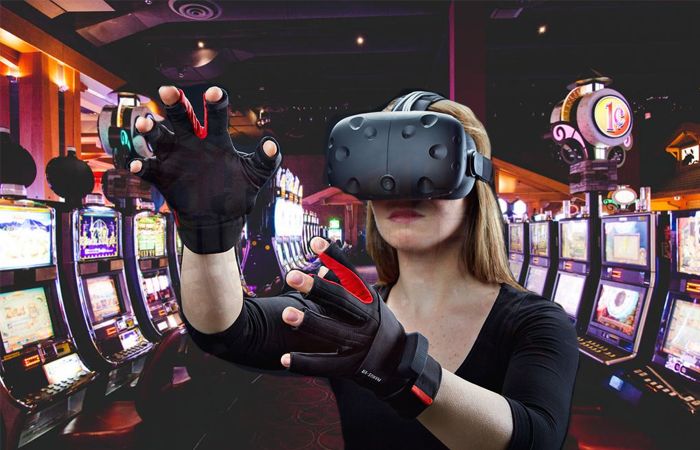
Wearable technology is rapidly changing how we interact with the world, and casinos are no exception. From fitness trackers to smartwatches, these devices have transformed everyday activities, making them more convenient and engaging. Imagine placing a bet or checking your winnings without ever taking out your phone or wallet. As this technology continues to evolve, it opens up a realm of possibilities for casino gaming.
In an industry known for its glitz and glamour, wearables could enhance the experience in unexpected ways. They offer new opportunities for players while also presenting unique challenges for operators. How will this shift reshape our understanding of gaming? Let’s explore the impact wearable tech might have on casinos and what it means for both players and the industry as a whole.
The Use of Wearables in Casinos
Wearable technology is making its mark in casinos, transforming the gaming experience. From smartwatches to fitness trackers, these devices are enhancing how players interact with their environment.
Imagine a scenario where your smartwatch alerts you to exclusive promotions happening nearby. This instant connection can elevate your experience and keep you engaged longer.
Some casinos are experimenting with wristbands that track player activity and spending habits. These insights allow for personalized rewards tailored to individual preferences.
Additionally, wearables can enhance safety by monitoring health metrics in real-time. Players can enjoy peace of mind as they game without worrying about sudden health issues.
As wearable technology continues evolving, it opens doors for innovative interactions between players and casino operators alike. The future looks promising as the integration of advanced tech reshapes the industry landscape.
Advantages of Wearable Technology in Casino Gaming
Wearable technology offers a fresh perspective on casino gaming, enhancing the experience for players. With devices like smartwatches and fitness bands, gamblers can easily access vital information at their fingertips.
For starters, real-time notifications about game updates or promotions keep players engaged. Imagine receiving alerts for exclusive bonuses while seated at your favorite slot machine.
Another significant advantage is health monitoring. Players often spend long hours in casinos. Wearables can track activity levels and heart rates, reminding them to take breaks or hydrate.
Additionally, wearables can streamline payments. No need to pull out cash or cards; a simple wrist gesture could settle bets quickly and securely.
They also enhance social interaction among players by enabling easy communication with friends nearby who share similar interests in games. This fosters a sense of community that enriches the overall gaming atmosphere.
Potential Risks and Concerns
Wearable technology brings exciting advancements, but it also raises some red flags in the casino landscape. Security concerns top the list. With personal data stored on these devices, hackers may find new ways to exploit vulnerabilities.
Privacy is another issue that cannot be overlooked. Players might feel uneasy knowing their every move could be tracked or analyzed by casinos to optimize marketing strategies or gameplay.
Moreover, there’s a risk of addiction being exacerbated through wearables. Constant notifications and real-time updates can encourage impulsive decisions at the gaming tables or slots.
Not all players are tech-savvy. Some might struggle with integrating wearables into their gaming experience, leading to frustration rather than enjoyment. As we embrace innovation, these potential setbacks warrant careful consideration from both players and operators alike.
Impact on Players and the Industry
Wearable technology is reshaping the gaming experience for players. Imagine checking your balance or loyalty points with a flick of your wrist. This convenience enhances player engagement and satisfaction.
For casinos, integrating wearables can streamline operations. Staff can easily spot VIPs wearing smart bands, offering personalized service on the spot. This data-driven approach creates a more tailored environment for guests.
Moreover, real-time statistics provided by wearables allow players to make informed decisions during gameplay. They can track their spending and time spent at various games effortlessly.
However, there’s also an element of privacy concerns as casinos monitor user data closely. Players may feel uneasy about how much information they’re sharing in exchange for enhanced experiences.
This shift in technology could redefine social interactions within gaming spaces and set new standards for customer service across the industry.
Future Possibilities and Innovations
The future of wearable technology in casinos is a canvas waiting for innovation. Imagine smart glasses that provide real-time statistics and gaming strategies as players engage with their favorite games. These devices could enhance the player experience, offering tailored insights based on individual gameplay patterns.
Wearables may also bridge the gap between online and land-based gaming. Picture a smartwatch that allows players to place bets remotely while still enjoying the lively atmosphere of a casino floor. This seamless integration could redefine how we think about gambling.
Moreover, advancements in biometric sensors might allow casinos to personalize rewards based on emotional responses or stress levels detected during play. Gamblers could receive promotions tailored to their moods, making every visit uniquely rewarding.
As technology continues to evolve, so too will its potential impact on casino operations and customer engagement strategies. The possibilities are endless; each advancement opens doors to new experiences within this thrilling world.
Conclusion
The rise of wearable technology is reshaping various industries, and casino gaming is no exception. As these devices become more integrated into our daily lives, they present a unique opportunity for casinos to enhance the player experience.
Wearables can facilitate seamless transactions, offer personalized recommendations, and even help in managing responsible gaming practices. The convenience of having everything at your fingertips could draw in a new generation of players eager for innovation.
However, with any technological advancement comes potential risks. Privacy concerns and data security are paramount as casinos begin to collect vast amounts of information from their patrons. Striking the right balance between enhancing gameplay and protecting user data will be critical.
As the industry adapts to these changes, it’s clear that wearables hold immense potential. They may redefine how we interact with games and each other within the casino environment. From smartwatches tracking game statistics to augmented reality experiences enhancing table games—possibilities abound.
The future looks promising for both players and casinos willing to embrace this tech revolution. Adapting quickly while addressing challenges will determine who thrives in this exciting new landscape of casino gaming powered by wearable technology.