


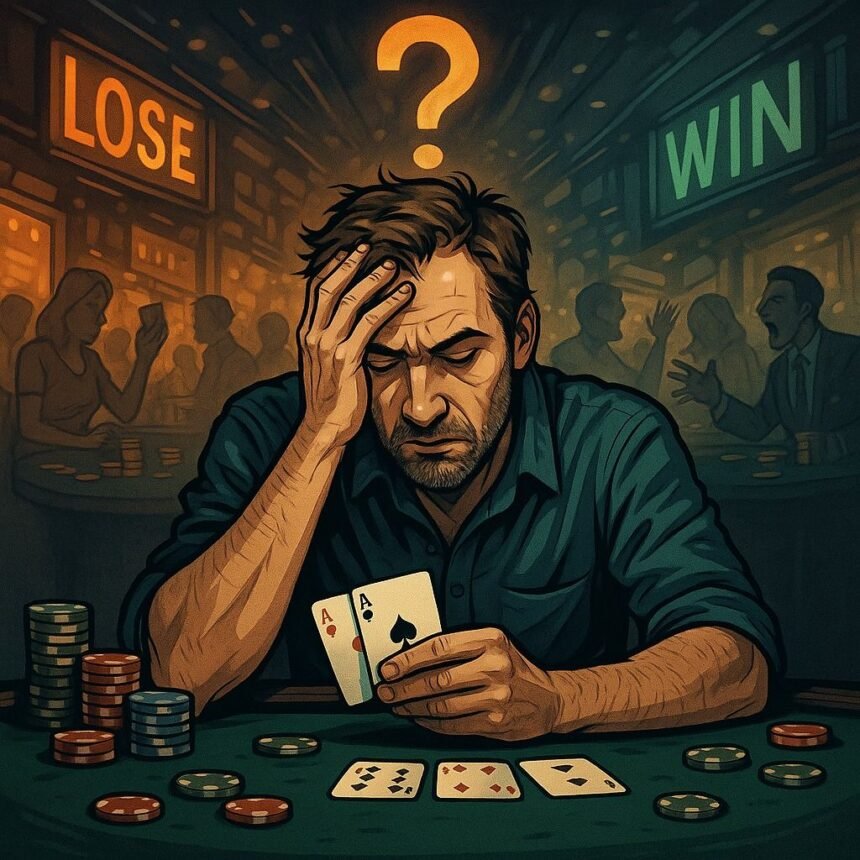
Poker is often seen as a game of luck, but experienced players know that psychology plays an equally important role. Winning consistently requires more than understanding cards and probabilities. The ability to read opponents, control emotions, and make strategic decisions under pressure separates professional players from beginners.
Poker psychology focuses on interpreting behavior, identifying patterns, and understanding how emotions influence decision-making. Skilled players pay close attention to body language, betting habits, timing, and emotional reactions to gain an advantage at the table. Learning these psychological techniques can dramatically improve a player’s performance.
The Importance of Psychology in Poker
Poker is unique because players compete directly against each other rather than against the game itself. Every decision involves understanding human behavior and predicting how opponents will react.
A strong psychological approach helps players avoid emotional mistakes while identifying weaknesses in others. Even players with average cards can win by making smart psychological moves such as bluffing, applying pressure, or exploiting predictable behavior.
Professional poker players often describe the game as a battle of information and mental control rather than pure chance.
Understanding Poker Tells
What Are Poker Tells?
Poker tells are physical or behavioral clues that reveal information about a player’s hand or emotional state. These signals can be intentional or unconscious. Experienced players carefully observe these details to predict opponents’ actions.
Common tells include nervous hand movements, changes in breathing, facial expressions, eye contact, and speech patterns. Online poker players also display digital tells through betting speed, repetitive actions, and chat behavior.
Recognizing tells takes practice, patience, and close observation.
Physical Tells at the Table
In live poker games, body language can provide valuable information. Some players become tense when bluffing, while others appear overly relaxed when holding strong cards.
For example, a player who suddenly avoids eye contact may feel uncomfortable about a weak hand. On the other hand, excessive confidence or dramatic behavior can sometimes indicate a bluff designed to intimidate opponents.
However, skilled players may intentionally fake tells to mislead others. This is why successful poker psychology relies on observing consistent patterns rather than isolated actions.
Betting Patterns and Behavioral Analysis
One of the most reliable ways to read opponents is through betting behavior. Players often reveal their confidence level based on how much they bet and when they choose to act.
Aggressive betting may indicate strength, but it can also signal an attempt to force opponents to fold. Passive behavior such as frequent checking or small bets may suggest uncertainty or cautious play.
Over time, players develop habits and tendencies. Some are naturally conservative, while others frequently bluff. Identifying these patterns helps players make more accurate decisions during critical moments.
Emotional Control and Tilt
What Is Tilt?
Tilt is a psychological state where emotions negatively affect decision-making. It commonly occurs after a bad beat, losing streak, or frustrating mistake. Players on tilt often make reckless decisions, chase losses, and abandon strategy.
Controlling emotions is one of the most important skills in poker. Even highly skilled players can lose significant amounts of money when emotions take over.
Staying Mentally Disciplined
Professional players maintain emotional discipline by focusing on long-term strategy rather than short-term outcomes. They understand that losses are part of the game and avoid making impulsive decisions.
Mental discipline involves patience, concentration, and confidence. Players who remain calm under pressure are better able to analyze situations objectively and make rational choices.
Taking breaks, managing bankrolls responsibly, and avoiding emotional reactions are essential for maintaining psychological stability during games.
Bluffing and Reverse Psychology
Bluffing is one of poker’s most famous psychological tactics. A successful bluff convinces opponents that a weak hand is actually strong. Effective bluffing depends on timing, confidence, and understanding opponents’ tendencies.
Skilled players also use reverse psychology by acting weak when they hold powerful cards. This strategy encourages opponents to bet aggressively, increasing the potential winnings.
However, excessive bluffing can become predictable. Strong poker psychology requires balance and adaptability.
Reading Opponents Online
Online poker removes physical tells, but psychological analysis remains important. Digital behavior can reveal valuable information about opponents’ strategies and emotional states.
Fast decisions may indicate automatic or confident play, while long pauses can suggest uncertainty. Betting consistency, reaction timing, and repeated patterns often help players identify weaknesses.
Online players must rely more heavily on statistics, observation, and strategic analysis rather than physical behavior.
Building a Professional Poker Mindset
Developing a professional mindset involves continuous learning and self-awareness. Strong players regularly analyze their mistakes, study opponents, and improve decision-making skills.
Confidence is important, but overconfidence can lead to risky behavior. The best players remain adaptable and avoid underestimating opponents.
Patience is another key factor. Poker rewards disciplined players who wait for the right opportunities instead of forcing unnecessary risks.
The Role of Experience in Poker Psychology
Experience helps players recognize patterns and improve emotional control. Over time, players become better at interpreting tells, identifying bluffs, and understanding table dynamics.
Every game provides new lessons about human behavior and decision-making. The more experience a player gains, the stronger their psychological instincts become.
Professional players spend years refining these skills through practice, observation, and analysis.
FAQs
What is poker psychology?
Poker psychology involves understanding human behavior, emotional control, and strategic thinking to gain an advantage over opponents during poker games.
What are poker tells?
Poker tells are physical or behavioral clues that reveal information about a player’s hand, confidence level, or emotional state.
Why is emotional control important in poker?
Emotional control prevents players from making impulsive decisions during stressful situations. Staying calm helps maintain strategic focus and discipline.
What does “tilt” mean in poker?
Tilt refers to a mental state where frustration or anger negatively affects a player’s decision-making and strategy.
Can bluffing always work?
No, bluffing is most effective when used strategically and unpredictably. Frequent bluffing can become easy for experienced opponents to recognize.
Is poker more skill or luck?
Poker involves both luck and skill, but long-term success depends heavily on strategy, psychology, probability knowledge, and emotional discipline.
How can beginners improve their poker psychology?
Beginners can improve by observing opponents carefully, controlling emotions, studying betting patterns, and practicing patience during games.
Conclusion
Poker psychology is a powerful aspect of the game that goes far beyond cards and statistics. Reading opponents, understanding behavior, and maintaining emotional discipline are essential skills for long-term success.
Professional players know that mastering psychology can provide a major competitive advantage. Whether playing in live tournaments or online games, the ability to stay calm, analyze opponents, and make strategic decisions often determines who wins and who loses.
By developing observation skills, emotional control, and mental discipline, players can approach poker with greater confidence and professionalism.