


Introduction to Digital Entertainment Trends
The landscape of digital entertainment is continuously evolving, driven by technological advancements and changing consumer preferences. With the advent of the internet, streaming services, social media platforms, and mobile applications, the way people consume content has transformed dramatically. This shift toward digital has not only broadened the accessibility of entertainment options but has also fostered a vibrant ecosystem that caters to diverse audiences across the globe.
The significance of digital entertainment is underscored by its ability to engage users through various formats, including video, music, gaming, and interactive media. These mediums are no longer confined to traditional platforms; rather, they exist within a dynamic digital framework that encourages user-generated content and real-time interaction. For instance, video-sharing platforms have redefined how we view and create media, allowing anyone with an internet connection to partake in the entertainment industry.
The influence of technology cannot be overstated. Innovations such as augmented reality (AR), virtual reality (VR), and artificial intelligence (AI) are reshaping the entertainment experience, offering immersive and personalized engagement. Consumers increasingly expect tailored content that resonates with their interests, leading creators and marketers to harness these advanced tools to deliver unique experiences. As the year 2026 approaches, we can anticipate further shifts in how entertainment is consumed, with trends emphasizing user interactivity, subscription models, and enhanced viewing experiences.
In this blog post, we will explore these emerging trends in digital entertainment and their broader implications. From the rise of immersive storytelling to the impact of social media influencers, understanding these trends will provide insight into the future of entertainment consumption.
The Rise of Streaming Services
The landscape of entertainment is undergoing a profound transformation, primarily driven by the increasing popularity of streaming services. Platforms such as Netflix, Disney+, Hulu, and Amazon Prime Video are not only reshaping how audiences consume media, but they are also challenging the very foundations of traditional media, including cable television and cinema. The success of these streaming services can be attributed to their ability to cater to shifting consumer preferences towards convenience, immediacy, and personalized content.
As audiences demand more control over their viewing experiences, streaming services have responded by offering extensive libraries that allow users to access a wide variety of films, series, and documentaries at any time. The rise of binge-watching culture exemplifies the appeal of such convenience, leading many viewers to seek platforms that provide entire seasons of shows all at once, rather than adhering to weekly episode releases typical of traditional broadcasting.
Moreover, the personalization of content stands as a key differentiating factor for these platforms. Through sophisticated algorithms, streaming services analyze user viewing habits to suggest tailored content that aligns with individual preferences. This focus on personalization not only enhances user engagement but also cultivates a deeper connection between the viewer and the platform. With the ongoing evolution of technology, features such as user profiles and curated playlists further enrich the user experience, demonstrating a clear commitment to meeting consumer demand.
As we look towards the future, the rise of streaming services is poised to disrupt existing paradigms in media consumption. Traditional networks face the challenge of adapting to a rapidly changing environment where agility and innovation define success. Streaming has indeed become a formidable force in the entertainment industry, signaling that the era of on-demand consumption is here to stay, and the evolution of this trend will continue to develop through 2026 and beyond.
Gamification in Entertainment
Gamification, the application of game design elements in non-gaming contexts, is rapidly transforming the landscape of digital entertainment. This trend has gained traction across various sectors, notably in movies and interactive storytelling, where elements traditionally found in video games are being artfully integrated to enhance audience engagement.
One of the most notable applications of gamification in film is the creation of interactive narratives. Viewers are no longer passive consumers; they are tasked with making choices that directly influence the storyline. This level of interaction encourages deeper emotional investment, as audiences feel a sense of control over the unfolding narrative. For instance, streaming platforms have experimented with choose-your-own-adventure formats, allowing users to dictate character choices and outcomes, thus making the viewing experience more personal and dynamic.
Moreover, gamification extends beyond narratives to encompass engagement strategies such as quests, challenges, and rewards. Digital platforms are increasingly incorporating these game-like elements to elevate user participation. By earning points, badges, or unlocking exclusive content, audiences are motivated to explore more content while increasing their retention rates. This rewards system not only entertains but also fosters community interaction, as viewers discuss their experiences and achievements within the content ecosystem.
The impact of gamification on audience experience is profound. By blending entertainment and gameplay, creators are crafting immersive environments that not only captivate users but also encourage repeated engagement. As technology continues to evolve, the integration of gamification in entertainment will likely expand, offering innovative experiences that keep audiences coming back for more. This trend emphasizes the importance of interaction in creating memorable and impactful entertainment experiences.
Virtual and Augmented Reality Experiences
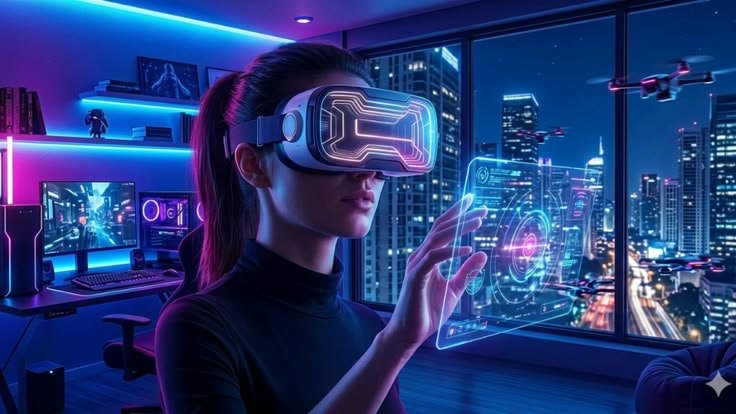
The adoption of virtual reality (VR) and augmented reality (AR) technology is rapidly transforming the digital entertainment landscape. Recent advancements in these immersive technologies are enabling creators to develop more realistic and interactive experiences, setting the stage for a profound shift in how audiences engage with media.
VR allows users to immerse themselves in a fully simulated environment, providing experiences that transcend traditional media. From interactive gaming to virtual concerts, VR creates an unparalleled sense of presence, captivating users by allowing them to engage actively with the content. This shift is not merely about visual enhancement but also encompasses auditory and tactile stimuli, making for richer experiences. As hardware becomes more accessible and affordable, the potential for broader audience reach increases, driving the expansion of VR applications.
Conversely, AR supplements the real world with digital information, enabling users to interact with their surroundings in innovative ways. This technology is particularly potent in gaming, where applications such as Pokémon GO have already demonstrated significant potential. Additionally, AR is making inroads in the film industry, allowing audiences to participate in storytelling by integrating virtual elements with real-world environments. By blending the digital and physical spaces, AR enhances viewer engagement and creates novel experiences.
The implications for audience engagement are vast. Both VR and AR not only offer entertainment but also transform how stories are told and consumed. As these technologies continue to evolve and become more mainstream, the possibility for creators to craft unique narratives that involve user interaction will redefine the entertainment experience. Users will become not just passive viewers but active participants, fundamentally changing the dynamics of engagement in digital entertainment.
The Impact of AI on Content Creation
Artificial intelligence (AI) has emerged as a transformative force in the digital entertainment industry, fundamentally altering the landscape of content creation. In recent years, the integration of AI tools into various creative processes has not only streamlined production but has also inspired new forms of artistic expression. For instance, AI algorithms are increasingly employed to develop scripts, generate visual content, and even compose music, leading to a collaborative relationship between human creativity and machine efficiency.
One significant application of AI in content creation is the enhancement of storytelling. AI-driven platforms utilize vast datasets to analyze audience preferences, enabling creators to design story arcs that resonate with viewers. This level of personalization extends to film, television, and gaming, where characters and narratives can be tailored to individual tastes, allowing for richer and more engaging experiences. The ability of AI to predict trends and format preferences also empowers creators to make informed decisions, thus improving the chances of a project’s success.
Moreover, AI has revolutionized the realm of music production. Tools like automated mixing and mastering software enable music producers to efficiently refine their work. AI can also compose original melodies and sounds, expanding the creative palette available to artists. This not only enhances the production quality but also democratizes music creation, making it accessible to aspiring musicians who may lack extensive technical skills.
However, the incorporation of AI in the creation process raises important ethical considerations. Questions surrounding copyright and the value of human creativity in an era increasingly influenced by algorithms are gaining prominence. As the role of artificial intelligence in digital entertainment continues to expand, it is crucial for creators and consumers alike to navigate the implications, ensuring that technological advancements enhance rather than replace the human element in storytelling and art.
Social Media’s Role in Entertainment
In the contemporary landscape of entertainment, social media platforms have emerged as pivotal agents of change, reshaping how content is produced, disseminated, and consumed. Platforms such as TikTok, Instagram, and Twitter have evolved beyond mere distribution channels; they are now instrumental in influencing cultural trends, audience engagement, and even the creative process itself.
One significant aspect of this transformation is the democratization of content creation. With tools available on social media, individuals have the ability to produce and share their work with a global audience, often bypassing traditional gatekeepers. This shift enables a diverse range of voices to be heard and has given rise to new genres of content, such as short-form videos and interactive storytelling. The virality of content on these platforms can propel lesser-known artists into the mainstream, demonstrating the power of social media as a launchpad for talent.
Moreover, the audience’s role has evolved from passive consumers to active participants in the entertainment ecosystem. Features such as comments, shares, and live streams encourage direct interaction between creators and their audience, fostering a sense of community and loyalty. This engagement not only enhances the consumer experience but also provides valuable feedback to creators, allowing them to refine their content in response to viewer preferences. Additionally, social media trends often dictate the success of entertainment projects, as creators adapt their work to align with the interests and demands of their audience.
The synergy between social media and entertainment also extends to marketing strategies. Brands increasingly collaborate with influencers on these platforms to promote their products organically, recognizing that authentic engagement can lead to higher conversion rates than traditional advertising methods. As these trends continue to evolve, it is clear that the influence of social media in shaping entertainment will only grow, marking a significant shift in how audiences connect with content and creators alike.
Sustainability in Digital Entertainment
The digital entertainment landscape is experiencing a significant transformation as sustainability becomes an essential consideration within the industry. With an increasing global emphasis on environmental responsibility, production companies and streaming services are pioneering initiatives designed to minimize their ecological footprint. This shift is not only a response to regulatory pressures but also essential to align with the growing expectations of a more environmentally conscious audience.
Production studios are re-evaluating their operations to embrace eco-friendly practices. This encompasses everything from utilizing renewable energy sources during filming to implementing waste reduction strategies. For instance, several major film studios have begun to prioritize green certifications, which verify that productions adhere to strict environmental standards throughout the filmmaking process. These efforts include reducing plastic usage, improving energy efficiency, and encouraging digital over physical materials.
Moreover, streaming platforms are actively integrating sustainability into their business models. Many of them are adopting carbon neutrality goals, which involve calculating their carbon emissions and offsetting them through investments in renewable energy or forest conservation projects. This not only enhances their corporate accountability but also attracts subscribers who value sustainability. Consumers are now more inclined to choose entertainment options that reflect their environmental values, which creates a competitive advantage for brands prioritizing green initiatives.
The trend towards sustainability in digital entertainment is set to deepen as public awareness of climate issues continues to grow. This evolution signifies a paradigm shift where environmental considerations are no longer secondary, but central to the industry’s future. As a result, both production companies and streaming services are likely to amplify their commitments to sustainability in the coming years, contributing to a more resilient and responsible entertainment ecosystem.
The Evolution of Esports and Competitive Gaming
Esports has emerged as a significant force within the digital entertainment landscape, transforming competitive gaming from a niche hobby into a globally recognized industry. Over the past few years, the growth in viewership has been remarkable, with millions tuning in to watch high-stakes tournaments across various platforms. Major events can draw audiences rivaling traditional sports, signifying a paradigm shift in how entertainment is consumed and experienced.
As esports delves deeper into mainstream culture, it has attracted substantial investment from sponsors and stakeholders eager to capitalize on its expanding reach. Companies from various sectors are recognizing the potential of associating with esports, leading to lucrative partnerships that enhance the visibility of both brands and events. As a result, prizes and sponsorship deals have escalated, allowing professional gamers to pursue their passion full-time, further legitimizing careers in competitive gaming.
The integration of esports with traditional sports is another trend worth noting. Prominent organizations are now forming partnerships with esports teams and leagues, facilitating cross-promotional opportunities that marry the two worlds. This convergence is exemplified by the establishment of esports arenas, and events held in collaboration with mainstream sports leagues, thereby fostering a broader audience that encompasses gamers and sports fans alike. Such collaborations enhance the viewer experience, providing novel entertainment formats that engage a diverse demographic.
Looking ahead, the future of entertainment will likely be significantly influenced by the trajectory of esports. As technology continues to evolve and more viewers flock to digital platforms, the potential for immersive experiences, including virtual reality gaming and interactive viewership, is set to revolutionize how audiences participate in events. This evolving landscape draws a promising roadmap for esports, establishing it as not only a pillar of the digital entertainment industry but also a blueprint for future entertainment possibilities.
Conclusion and Future Outlook
As we navigate through the transformative landscape of digital entertainment, it becomes increasingly evident that certain trends are reshaping the sector. The rise of streaming services has not only revolutionized content consumption but has also propelled the emergence of original programming, allowing audiences access to diverse narratives and innovative storytelling. Moreover, advancements in technology, such as virtual reality and augmented reality, are likely to enhance user engagement, creating immersive experiences that blur the lines between reality and fiction.
The growing significance of personalized content, fueled by data analytics, signifies a shift towards understanding viewer preferences more intimately. This trend points to a future where entertainment experiences are tailored specifically to individual tastes, thereby increasing viewer satisfaction and loyalty. Game streaming also continues to gain traction, representing a unique intersection between gaming and social interaction, allowing players to engage with audiences in real-time.
Furthermore, increased connectivity provided by 5G technology will enable seamless streaming experiences, reducing latency and enhancing the quality of content delivered to consumers. It is likely that as this technology becomes widely adopted, we will see a surge in high-definition content and real-time interactivity that will redefine traditional forms of entertainment.
In summary, the digital entertainment landscape is undergoing rapid changes guided by technological innovations and shifting viewer demands. As we anticipate the future, it is crucial to remain attentive to these evolving trends, as they hold the potential to significantly influence both production and consumption practices in the entertainment industry. Staying informed will not only enrich our understanding of the entertainment climate but also empower us to engage meaningfully within it as it continues to unfold in the coming years.