


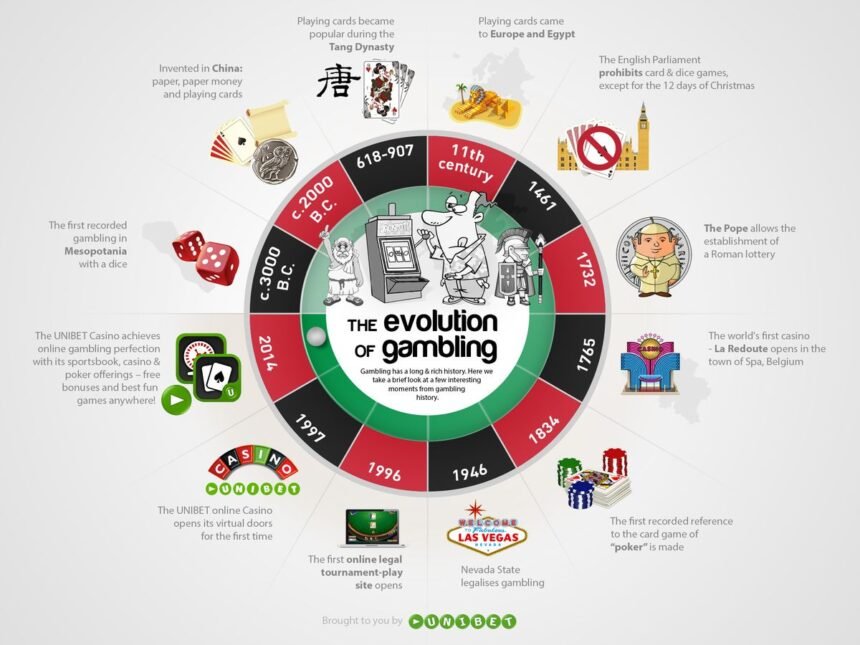
Introduction to the Evolving Casino Landscape
The casino industry has undergone significant transformations in recent years, driven largely by advancements in technology, shifts in consumer behavior, and external global events. The traditional brick-and-mortar establishments are complemented—and, in some cases, challenged—by the rise of online platforms that offer gambling experiences at users’ fingertips. With the proliferation of smartphones and the internet, players now have access to a wide array of online casinos that provide not only traditional gambling options but also innovative betting experiences.
Furthermore, the COVID-19 pandemic has altered the landscape of the casino industry dramatically. Temporary closures of physical locations and health safety protocols forced operators to adapt quickly, leading to an increased focus on digital solutions. This pivotal moment catalyzed the expansion of online gaming and sports betting, appealing to a broader audience and particularly to younger generations who favor convenience and accessibility.
As the industry evolves, the integration of advanced technologies, such as augmented reality (AR) and virtual reality (VR), has begun to enhance the player experience, creating immersive environments that replicate the thrill of traditional casinos. Additionally, the use of data analytics has become critical in understanding consumer preferences and behaviors. Operators are leveraging this information to tailor experiences and offerings, thereby improving customer engagement and satisfaction.
In light of these changes, the casino landscape is poised for continuous transformation. Understanding the foundational shifts currently influencing the industry is essential for stakeholders looking to capitalize on emerging trends. As we delve deeper into these trends, it is evident that the casino industry’s future will be marked by innovation, flexibility, and an unwavering connection to consumer demands.
Technological Innovations in Gaming
The casino industry is currently undergoing a radical transformation driven by technological innovations. Mobile gaming has emerged as a significant trend, allowing players to engage with their favorite games from anywhere. This convenience has contributed to a surge in participation and has changed the traditional dynamics of casino entertainment. With mobile applications offering seamless user experiences, casinos are expanding their reach and catering to a broader demographic.
Alongside mobile gaming, virtual reality (VR) is quickly gaining traction as a vibrant tool in the gaming landscape. VR technology provides immersive experiences that transport players into a virtual casino, offering them realistic interactions and environments that mimic physical casinos. This advancement not only enhances player engagement but also opens new avenues for creative game development, pushing the boundaries of how games are experienced. The interactive nature of VR allows for social gaming experiences, further mimicking the communal atmosphere of traditional casinos.
Moreover, artificial intelligence (AI) is becoming a cornerstone in optimizing gaming operations. AI-driven algorithms can analyze player behavior, offering personalized recommendations and tailored gaming experiences. This insight enables casinos to refine their marketing strategies and improve customer satisfaction by enhancing the overall experience. Additionally, AI is utilized for managing game fairness, ensuring security, and detecting fraudulent activities, making gaming operations more efficient and trustworthy.
These technological advancements are not just reshaping how players experience gaming; they are also streamlining casino operations. By embracing mobile platforms, VR, and AI, the casino industry is positioning itself at the forefront of entertainment innovation. The integration of these technologies signifies a pivotal moment in gaming history, as they enhance engagement and operational efficiency, setting the stage for the future of the casino industry.
The Rise of Online and Mobile Casinos
The landscape of the casino industry has undergone significant transformations in recent years, propelled primarily by the soaring popularity of online and mobile casinos. As traditional brick-and-mortar establishments faced restrictions during the COVID-19 pandemic, many players turned to digital platforms for their gaming needs, leading to a substantial increase in online gambling participation.
Several factors have contributed to this trend. Accessibility stands as a primary reason; players can now engage in their favorite casino games from the comfort of their homes or on-the-go using mobile devices. The availability of high-speed internet and advancements in smartphone technology have further enhanced the user experience, enabling seamless and immersive gaming sessions. These factors have combined to make online and mobile casinos not only a practical alternative but also a preferred choice for many gamers.
Convenience is another crucial aspect driving the surge in online casinos. Unlike traditional venues, which often require travel and adherence to specific hours of operation, online platforms are available 24/7, allowing players to access a wide array of games at their convenience. Furthermore, many online casinos offer enticing bonuses and promotions that attract new players and encourage loyalty among existing customers. This competitive edge significantly contributes to their growing popularity.
The variety of gaming options available online and on mobile devices also plays a critical role in this trend. Players can find a multitude of games, ranging from classic table games to innovative video slots, often with new titles being introduced regularly. This extensive choice caters to diverse preferences and ensures that users remain engaged over time.
Impact of Cryptocurrency and Blockchain Technology
The integration of cryptocurrency and blockchain technology is rapidly transforming the casino industry. These innovations are increasingly seen as tools for enhancing transaction security, ensuring transparency, and attracting a new demographic of tech-savvy players. With the adoption of digital currencies such as Bitcoin, Ethereum, and others, casinos can facilitate faster, safer transactions that circumvent traditional banking systems. This shift not only expedites the deposit and withdrawal processes for players but also significantly lowers transaction fees, benefiting both the operators and the patrons.
Blockchain technology further amplifies these advantages by providing an immutable ledger where all transactions are recorded publicly. This transparency fosters trust among players, as they can independently verify game fairness and the authenticity of winnings. This level of openness is particularly appealing to players who may be skeptical of traditional gambling establishments, which have faced scrutiny over operational integrity in the past. Furthermore, the decentralized nature of blockchain reduces the risk of fraud and hacking, making it a compelling option for both casinos and their patrons.
Moreover, the acceptance of cryptocurrencies is likely to engage a younger demographic that prefers digital currencies over traditional forms of payment. Many millennials and Gen Z individuals are more comfortable using wallets and cryptocurrencies, thereby presenting casinos with an opportunity to modernize their operations and appeal to a broader audience. This new approach will not only encourage responsible gaming but could also lead to an increase in customer engagement within the digital casino landscape.
As the industry evolves, it is imperative for casinos to remain adaptable to these trends, leveraging the potential of cryptocurrency and blockchain to establish themselves in the market as leaders of innovation.
Emerging Markets and Demographic Shifts
The casino industry is experiencing significant transformation, driven by the emergence of new markets and shifting demographics among its patrons. Regions such as Asia and Latin America are rapidly becoming focal points for casino development, driven by economic growth, increasing disposable incomes, and a growing interest in entertainment options including gaming. Countries like Japan, with the recent legalization of integrated resorts, present lucrative opportunities for investment and tourism, potentially reshaping the landscape of global gaming.
In addition to geographic expansion, demographic shifts are significantly influencing the casino industry. The younger generations, particularly millennials and Generation Z, are demonstrating different preferences compared to their predecessors. This cohort is characterized by their comfort with technology and desire for diverse experiences, which significantly impacts how casinos market themselves and operate. For instance, younger patrons are inclined towards online gaming platforms and mobile applications, indicating a shift from traditional gaming spaces to more contemporary digital approaches.
To effectively cater to this evolving demographic, casinos are starting to adopt innovative marketing strategies that resonate with younger audiences. This includes leveraging social media for engagement, offering mobile-friendly gaming experiences, and integrating entertainment options that go beyond gambling, such as live performances, culinary experiences, and themed events. Additionally, the focus on responsible gaming and personalized experiences is becoming more pronounced, addressing the values and expectations of a socially conscious generation.
As the casino industry inches towards the future, its ability to adapt to emerging markets and demographic shifts will be critical for sustaining growth and attracting new patrons. By embracing these trends, casinos can create a compelling environment that not only meets the needs of diverse audiences but also enhances their overall customer experiences.
The casino industry has experienced significant shifts in recent years, particularly as it becomes increasingly aware of the importance of sustainability and responsible gaming initiatives. This transformation is largely driven by a growing public consciousness regarding environmental impacts and social responsibilities associated with gambling activities.
In the realm of sustainability, casinos are adopting eco-friendly practices that range from energy-efficient operations to waste reduction strategies. Many establishments are investing in renewable energy sources, such as solar panels, which not only reduce their carbon footprint but also lower operating costs in the long term. Additionally, casinos are committing to responsible sourcing of materials, ensuring that products used within their premises are sustainably harvested or produced. For instance, dining establishments within casinos are increasingly focusing on sourcing local produce, reducing carbon emissions linked to transportation.
Beyond environmentally-friendly initiatives, responsible gaming practices have become paramount within the casino sector. Operators are acknowledging the potential adverse effects of gambling on individuals and communities. As a result, they are implementing measures designed to promote healthy gaming habits. This includes providing resources for players who may be at risk of developing gambling-related issues, such as self-exclusion programs and dedicated helplines. Furthermore, casinos are increasingly using technology to monitor gaming patterns, allowing for early intervention when the data indicates a player may need assistance.
By prioritizing sustainability and responsible gaming, casinos not only address the regulatory pressures they face but also enhance their reputability in the eyes of the public. Engaging in these initiatives fosters a positive experience for players and the surrounding community, thereby strengthening long-term customer loyalty.
The Evolution of Casino Design and Experience
As the casino industry continues to evolve, the design and experience of these establishments are undergoing significant transformations. Modern casinos are increasingly prioritizing architectural innovation, focusing on creating spaces that are not only visually appealing but also functional and immersive. This shift reflects a broader trend towards enhancing the overall experience for patrons, emphasizing comfort, accessibility, and engagement.
One notable trend in the evolution of casino design is the incorporation of open and flexible layouts. Gone are the days of traditional, segmented gaming areas. Contemporary casinos are embracing a more fluid design, allowing for easier movement and interaction among guests. This not only fosters a sense of community but also caters to diverse clientele ranging from high-stakes gamblers to casual visitors. The use of natural light, indoor gardens, and communal spaces further enhances this sense of connectivity, creating environments where patrons feel relaxed and welcomed.
Moreover, immersive experiences are becoming a hallmark of modern casinos. This is achieved through the use of advanced technology, such as virtual reality and interactive gaming options. These innovations allow guests to engage with games in a more dynamic way, blurring the lines between traditional gaming and entertainment. Additionally, themed environments and storytelling concepts are being integrated into the architectural framework, guiding guests through unique experiences that amplify their overall enjoyment.
In recognizing the importance of community spaces, many casinos are now incorporating amenities such as restaurants, lounges, and entertainment venues into their designs. These elements not only provide a variety of options for guests but also encourage longer stays and repeat visits. By fostering an inclusive atmosphere that caters to various tastes and preferences, casinos can appeal to a broader audience and enhance their marketability.
Adapting to Regulatory Changes
The casino industry operates within a complex and ever-evolving regulatory framework. With the rise of online gaming and sports betting, jurisdictions worldwide are implementing new laws to govern these activities. As a result, casinos must remain vigilant in understanding the implications of such legislation to ensure compliance and maintain their operational integrity. The adaptation to regulatory changes is not only a legal obligation but also a vital strategy to foster trust among patrons.
Online gaming has gained significant traction, prompting governments to seek to regulate this sector effectively. Regulations often vary significantly between regions, requiring casinos to navigate local laws and international standards simultaneously. To adapt, casinos must invest in comprehensive legal counsel and compliance teams that are well-versed in the intricacies of these new legal frameworks.
Furthermore, the expansion of sports betting has led to stricter regulations aimed at preserving the integrity of sporting events and protecting participants from gambling addiction. Casinos are encouraged to develop robust responsible gambling measures, provide educational resources, and implement self-exclusion programs. By prioritizing these initiatives, casinos not only comply with the law but also demonstrate a commitment to social responsibility, which is crucial for building a positive public image.
Technological advancements play a critical role in aiding casinos in adapting to regulatory changes. By utilizing sophisticated software solutions, casinos can monitor gaming activities, ensure compliance with local laws, and generate reports. These tools make it easier for operators to stay ahead of regulatory updates and to respond proactively to changes in the compliance landscape.
In conclusion, the commitment to understanding and adapting to the shifting regulatory landscape is essential for casinos. By being proactive and implementing effective compliance strategies, casinos can not only remain in legal standing but also enhance their reputation and trust with customers in an increasingly competitive market.
Conclusion: Future Outlook for the Casino Industry
As we examine the future of the casino industry, it is evident that several key trends will profoundly shape its trajectory. The advent of technology, particularly through the integration of artificial intelligence and virtual reality, promises to enhance the overall gaming experience. These innovations not only cater to the demands of a tech-savvy audience but also optimize operational efficiencies within casinos.
Moreover, the rise of mobile gaming and online casinos has transformed how players engage with traditional casino offerings. The convenience and accessibility of gaming via mobile devices have increased participation and opened new revenue streams. This shift signifies that casinos must adapt and innovate continuously to stay competitive and relevant in a digital-first environment.
Additionally, the growing emphasis on responsible gaming highlights a crucial aspect of the industry’s evolution. As awareness of gambling addiction rises, casinos are adopting measures to ensure safer gaming practices. This strategy not only addresses social responsibility but also enhances the overall reputation of the industry.
Consumer preferences are also shifting, with younger generations seeking immersive and interactive experiences beyond standard gaming. This trend suggests that casinos must explore new entertainment offerings, enhancing social interaction and community elements to attract diverse clientele.
In summary, the casino industry is poised for a transformative future, driven by technological advancements and changing consumer behaviors. By embracing these trends, operators can create enriched experiences that appeal to both traditional and new players alike, ensuring sustained growth and relevance in the years to come.